
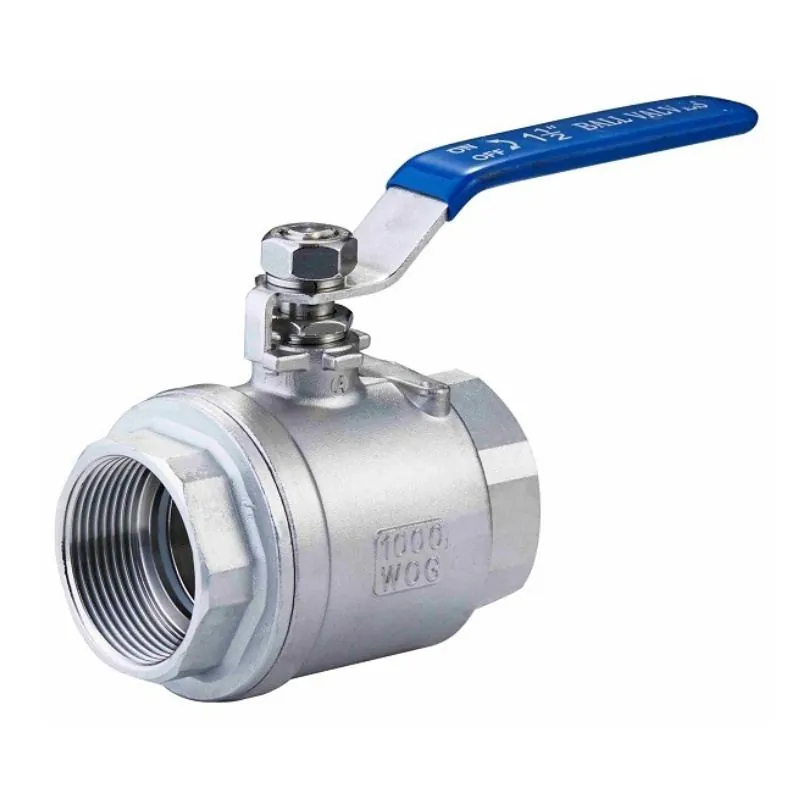
Manual Ball Valve
STAINLESS STEEL 2PC BALL VALVE SCREW END GBV200
The STAINLESS STEEL 2PC BALL VALVE SCREW END GBV200 is a high-performance ball valve for shut-off and control applications with precision balls and seats.
Product Overview
This ball valve provides reliable shut-off with a quarter-turn operation. The floating ball design ensures tight sealing with low operating torque, suitable for a wide range of industrial applications.
Product Features
- Quarter-turn operation for quick control
- Floating ball design for tight sealing
- Low operating torque
- Full port design for minimal pressure drop
- Suitable for wide range of applications
Technical Specifications (For reference only. The actual parameters need to be verified with us).
| Parameter | Value / Unit |
|---|---|
| Product Type | Stainless steel 2-piece full-bore ball valve |
| Model / Series | GBV200/201 |
| Size / Diameter | 1/4″–4″ (DN8–DN100) |
| Pressure Rating | 1000 PSI W.O.G. |
| Process Temperature | Up to 180°C |
| Body Material | Stainless Steel CF8M (SS316) |
| Disc Material | SS304 ball |
| Stem Material | SS304 |
| Seat Material | PTFE reinforced |
| Connection | Threaded BSPT |
| Actuation | Lever handle |
| Applicable Medium | Water, oil, gas, air & steam |
| Applicable Standard | Thread ISO 228/1 / BSPT |
| Flange Standard | Thread: BSPT / ISO 228/1 |
Related Products
 2PC BALL VALVE FLANGES ANSI150 GBV2-F00View Product 2PC BALL VALVE FLANGES JIS10K GBV2-F00View Product 2PC BALL VALVE FLANGES PN16 GBV2-F00View Product
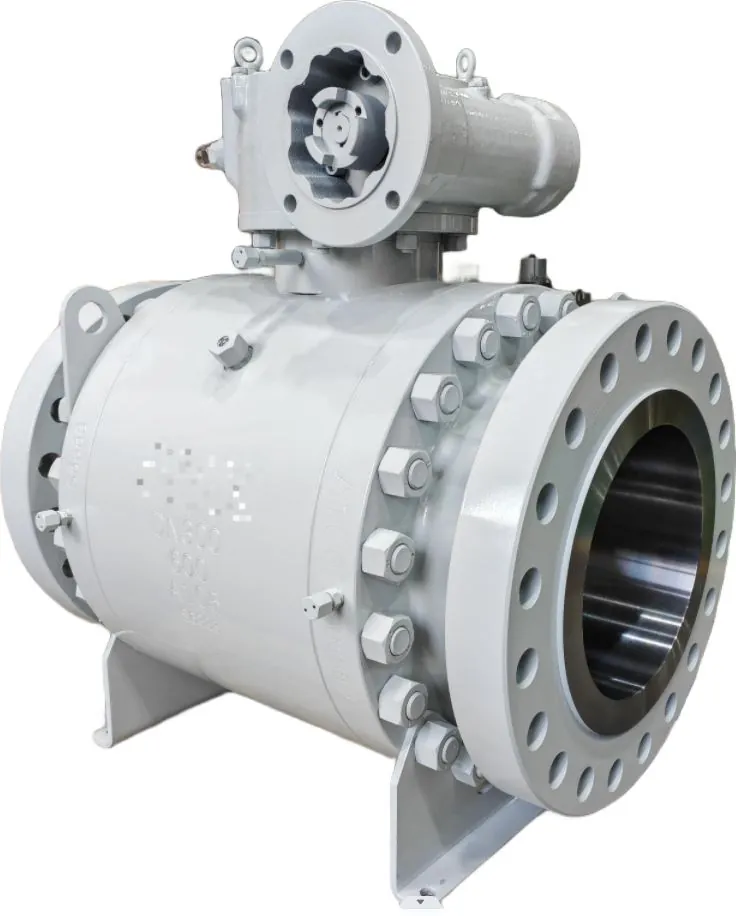 FORGED STEEL BALL VALVEView Product
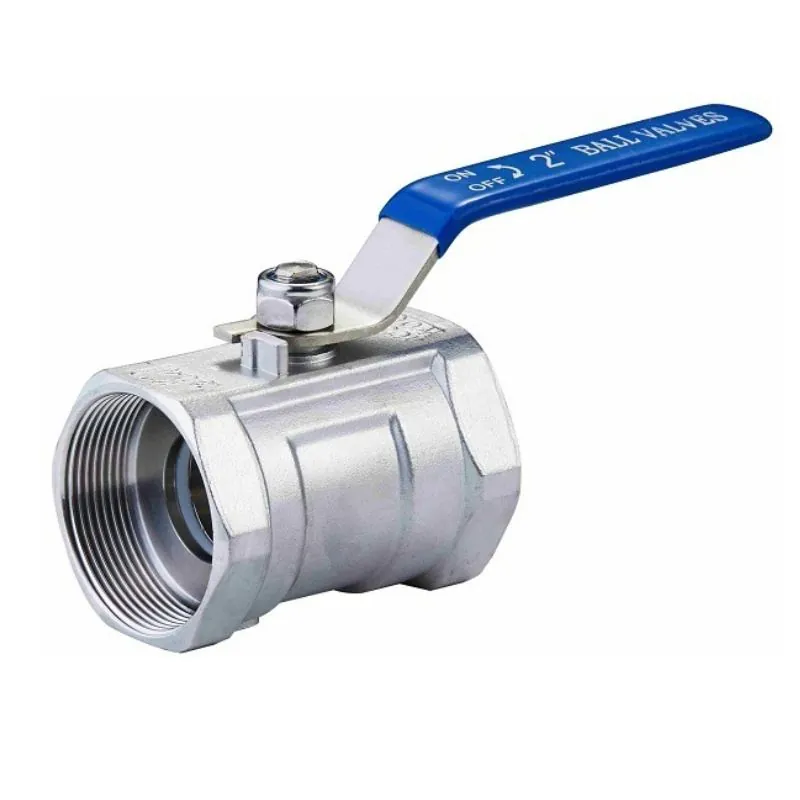 STAINLESS STEEL 1PC BALL VALVE SCREW END GBV100View Product
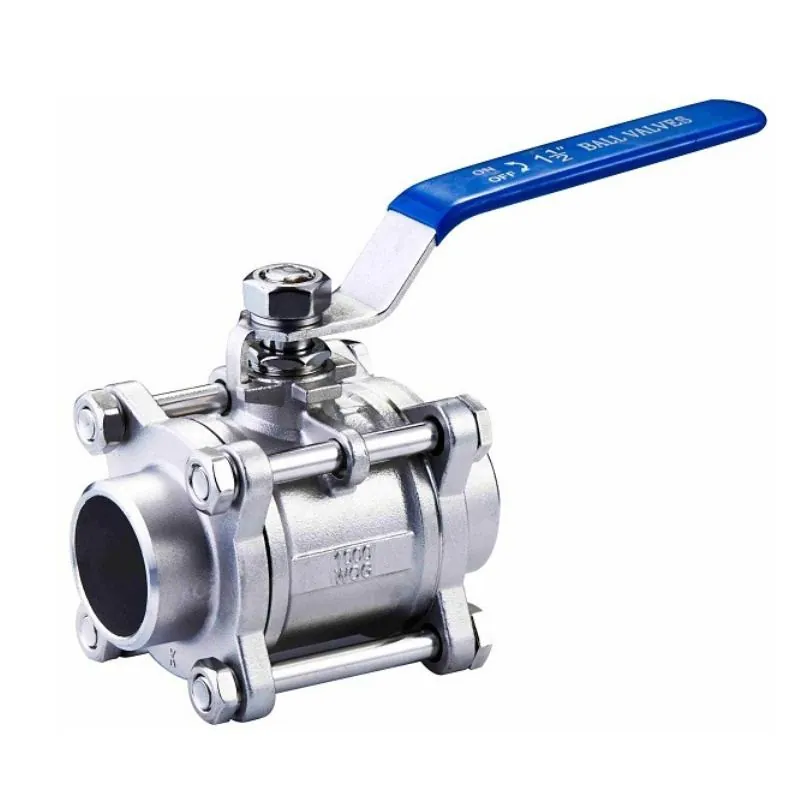 STAINLESS STEEL 3PC BALL VALVE BUTT WELD GBV300BWView Product
 STAINLESS STEEL 3PC BALL VALVE SCREW END GBV300View Product
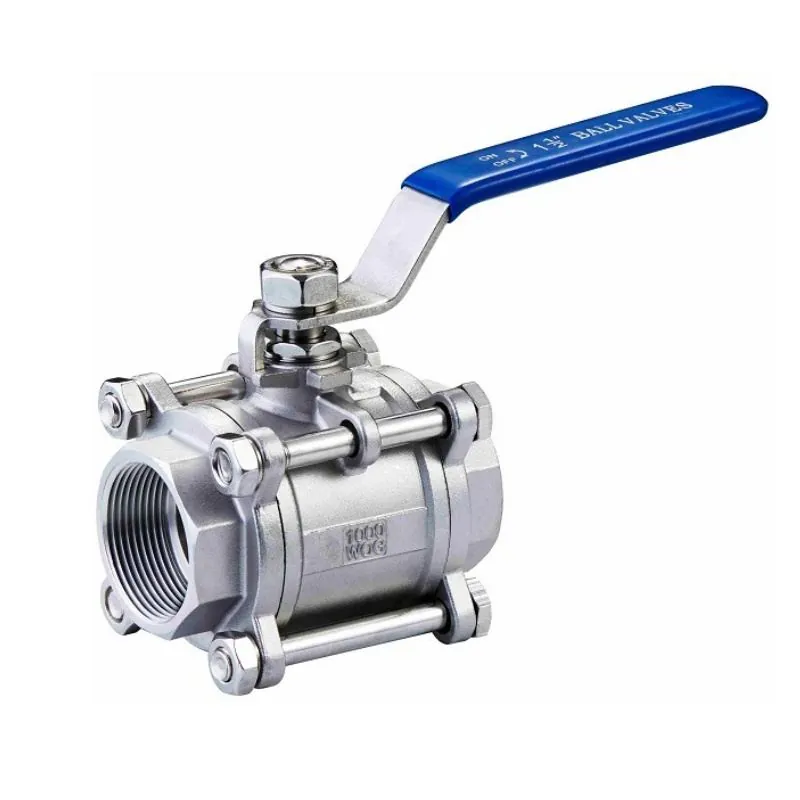 STAINLESS STEEL 3PC BALL VALVE SCREW END WITH DIRECT MOUNT GBV320View Product STAINLESS STEEL 3PC BALL VALVE SCREW END WITH DIRECT MOUNT GBV321View Product
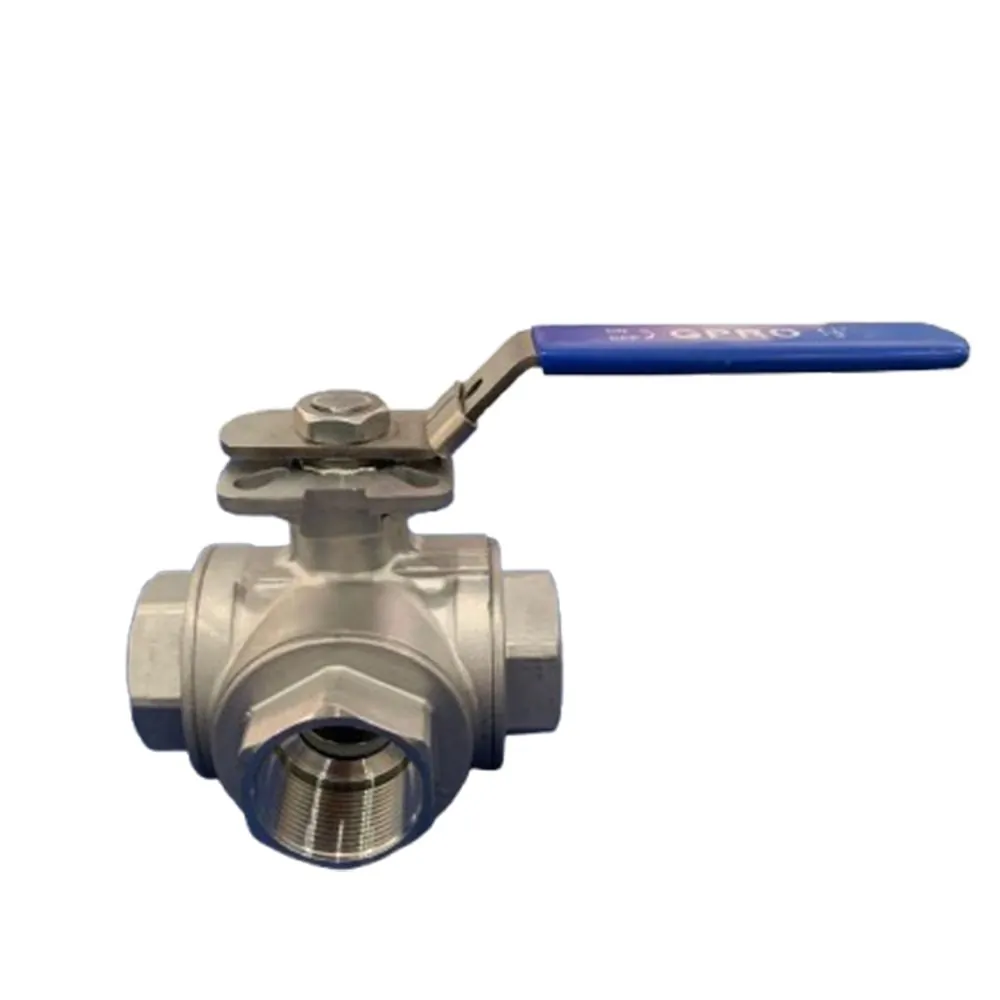 STAINLESS STEEL 3WAY BALL VALVE SCREW END WITH DIRECT MOUNT GBV330View Product
 STAINLESS STEEL HIGH PRESSURE 2PC BALL VALVE SCREW END GBV202View Product
 STAINLESS STEEL HIGH PRESSURE 3PC BALL VALVE SCREW END WITH DIRECT MOUNT GBV350View Product
 STAINLESS STEEL METAL SEATED FLOATING BALL VALVEView Product
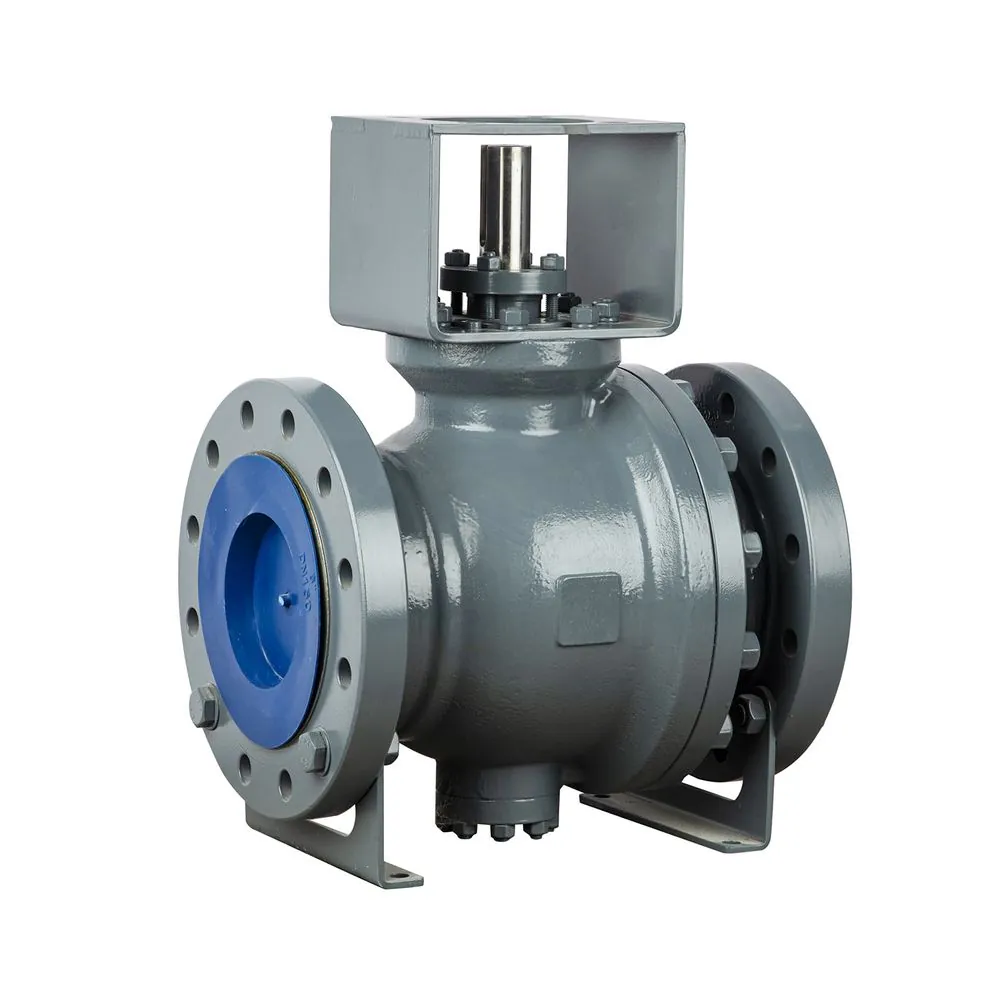 STAINLESS STEEL METAL SEATED TRUNNION BALL VALVEView Product
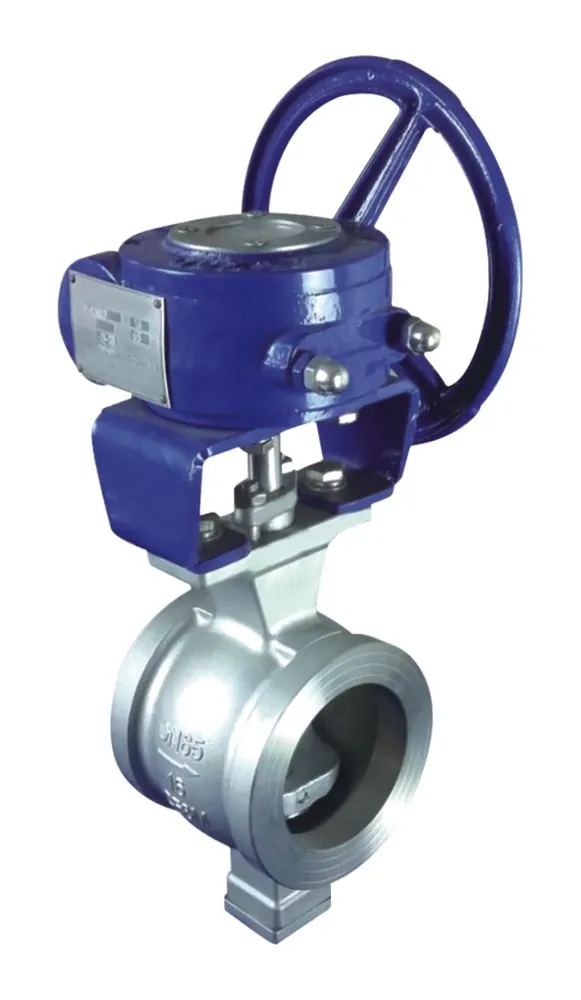 STAINLESS STEEL V-PORT BALL VALVEView Product
 METAL-SEATED FLOATING BALL VALVE GFLBV000Metal-seated Ball ValveView Product
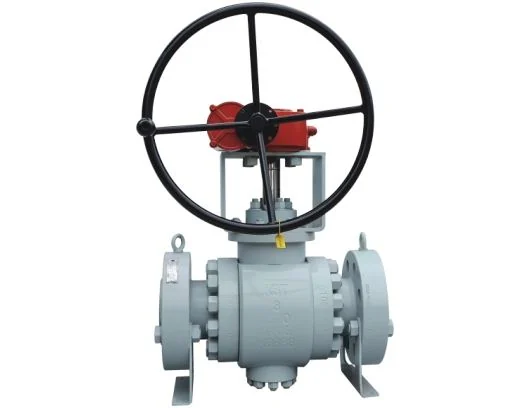 METAL-SEATED TRUNNION (FIXED) BALL VALVE GFBV000Metal-seated Ball ValveView Product
 TOP ENTRY BALL VALVEMetal-seated Ball ValveView Product
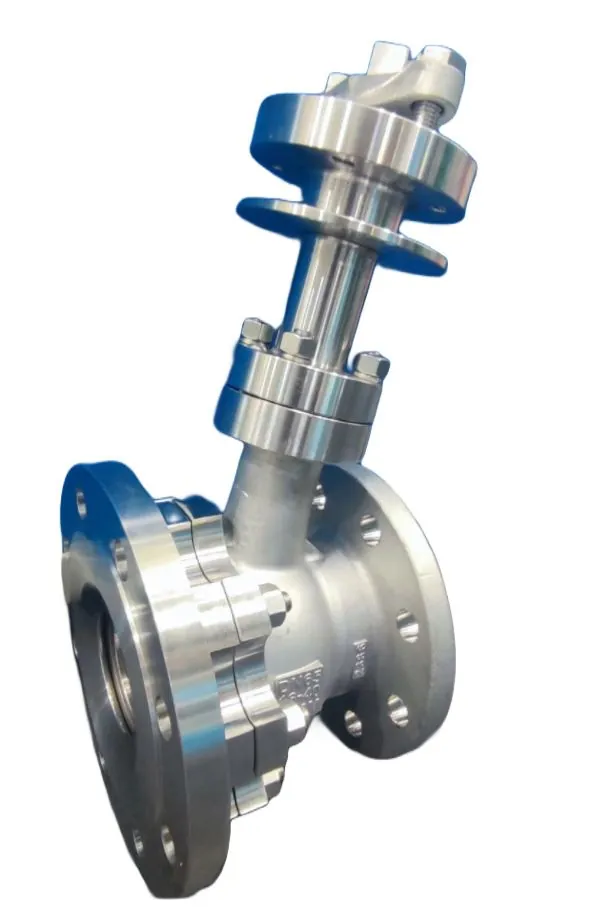 FORGED CRYOGENIC BALL VALVEMetal-seated Ball ValveView Product
 V-PORT BALL VALVE GVBV000V-Port Ball ValveView Product
FAQ
What is the difference between 1PC, 2PC, and 3PC ball valves?
1PC is one-piece body (lowest cost, not repairable inline); 2PC has two body halves (most common); 3PC has three pieces allowing inline maintenance without removing from line.
What seat materials are available?
PTFE (standard, 150°C), RPTFE (reinforced, higher pressure), PEEK (high temperature 250°C), and metal seats for severe service.
What is the difference between floating and trunnion ball?
Floating ball moves downstream under pressure for tight shutoff (small sizes); trunnion ball is fixed with spring-loaded seats (large sizes, high pressure).
Can ball valves be used for throttling?
Standard ball valves are for on/off service; V-port ball valves can be used for throttling/modulating control with appropriate actuator.
What does full port vs standard port mean?
Full port has bore equal to pipe ID (minimal pressure drop); standard port has reduced bore (smaller, lower cost, higher pressure drop).