

Pneumatic Single Acting Actuator Valve
PNEUMATIC SINGLE ACTING UPVC DIAPHRAGM GLOBE VALVE GPV1DC
The PNEUMATIC SINGLE ACTING UPVC DIAPHRAGM GLOBE VALVE GPV1DC is a pneumatically actuated valve assembly with spring-return single-acting cylinder for fail-safe operation on air loss.
Product Overview
This pneumatically actuated valve provides dependable valve automation with spring-return single-acting cylinder for fail-safe operation. Suitable for industrial process control requiring safety and reliability.
Product Features
- Single-acting spring-return actuator for fail-safe operation
- Automatically returns to safe position on air failure
- ISO 5211 direct mounting interface
- Visual valve position indicator
- Adjustable spring tension for proper torque
Technical Specifications (For reference only. The actual parameters need to be verified with us).
| Parameter | Value / Unit |
|---|---|
| Product Type | Plastic Industrial Valve |
| Model / Series | GPV series |
| Size / Diameter | DN15~DN300 |
| Pressure Rating | 150 PSI (10 bar) working pressure |
| Process Temperature | 0°C ~ +60°C (UPVC), 0~90°C (PVDF) |
| Body Material | UPVC |
| Disc Material | PVC/PP/PVDF + EPDM/FKM |
| Stem Material | Stainless steel / PVDF |
| Seat Material | PTFE / EPDM / FKM |
| Connection | Solvent weld / Flanged / Threaded |
| Actuation | Manual / Actuator |
| Applicable Medium | Water, oil, gas |
| Applicable Standard | API / EN / ISO / ISO 9001 |
| Face-to-Face Standard | EN 558-1 |
| Flange Standard | EN 1092 / JIS |
| Testing Standard | Factory tested / API 598 |
| Certification | ISO 9001 / NSF |
Related Products
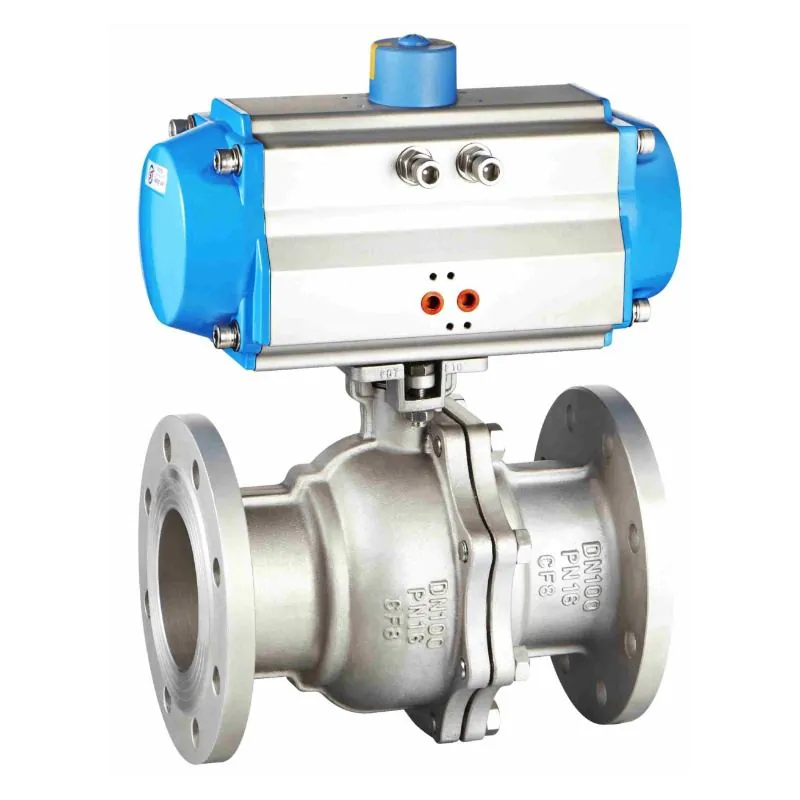 2PC BALL VALVE FLANGES ANSI150 WITH SINGLE ACTING ACTUATOR GBV2-F00+AT000SView Product
 2PC BALL VALVE FLANGES JIS10K WITH SINGLE ACTING ACTUATOR GBV2-F00+AT000SView Product
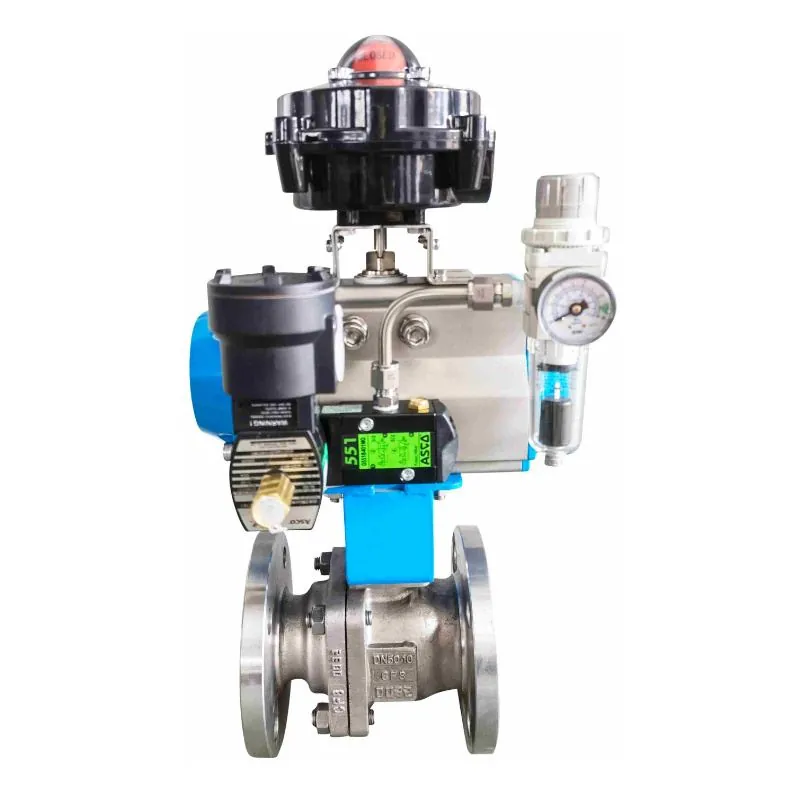 2PC BALL VALVE FLANGES PN16 WITH SINGLE ACTING ACTUATOR GBV2-F00+AT000SView Product
 CAST IRON BODY STAINLESS STEEL DISC EDPM SEAT WAFER BUTTERFLY VALVE SINGLEView Product
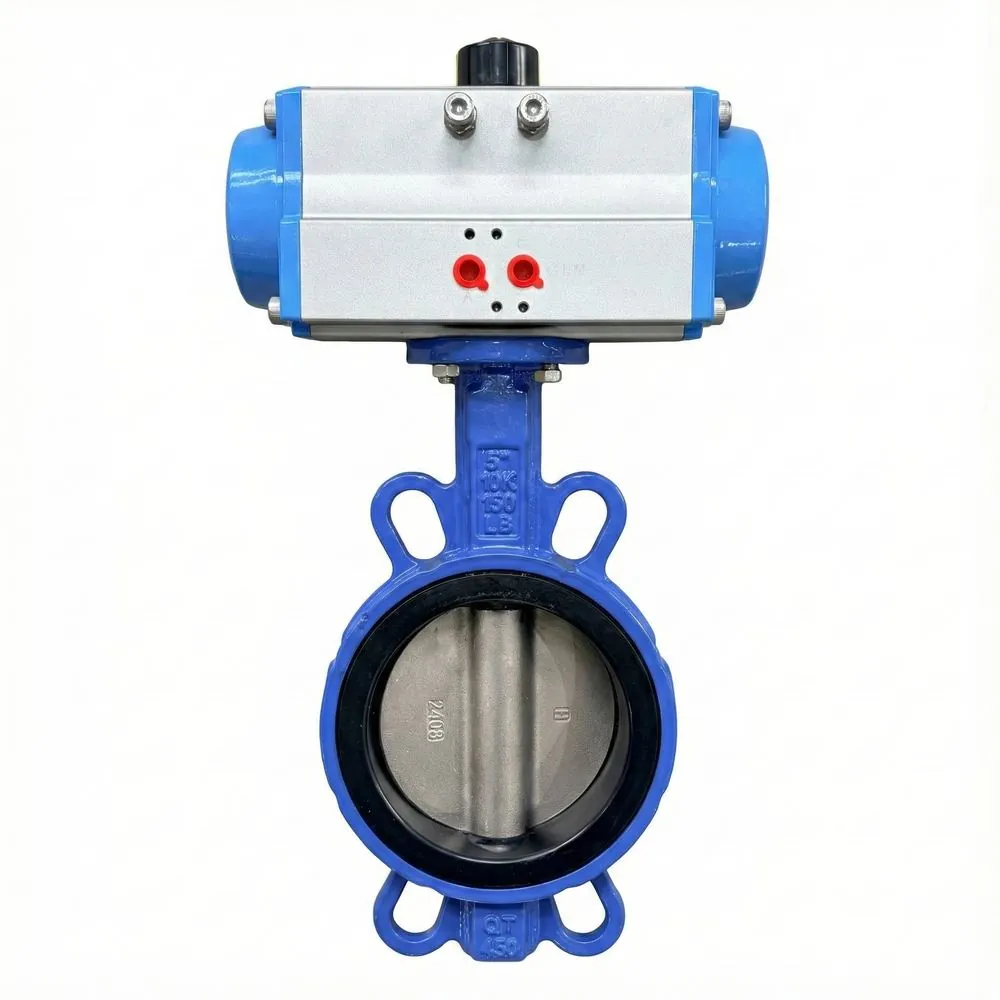 CAST IRON BODY STAINLESS STEEL DISC NBR SEAT WAFER BUTTERFLY VALVE SINGLE ACTINGView Product
 PNEUMATIC SINGLE ACTING PVDF DIAPHRAGM GLOBE VALVEView Product
 STAINLESS STEEL 304 3PC BALL VALVE SCREW END WITH SINGLE ACTING ACTUATORView Product
 STAINLESS STEEL 316 3PC BALL VALVE SCREW END WITH SINGLE ACTING ACTUATORView Product
 STAINLESS STEEL 3WAY BALL VALVE SCREW END WITH SINGLE ACTING ACTUATORView Product
 STAINLESS STEEL BODY STAINLESS STEEL DISC PTFE SEAT WAFER BUTTERFLY VALVE SINGLEView Product
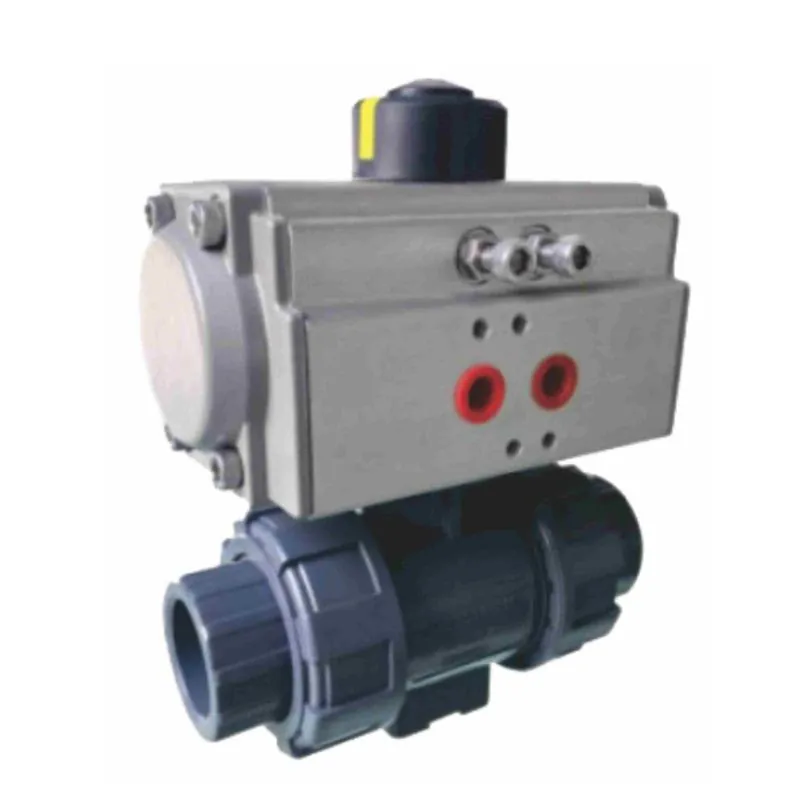 UPVC DOUBLE UNION BALL VALVE WITH ISO MOUNTING WITH SINGLE ACTING ACTUATORView Product
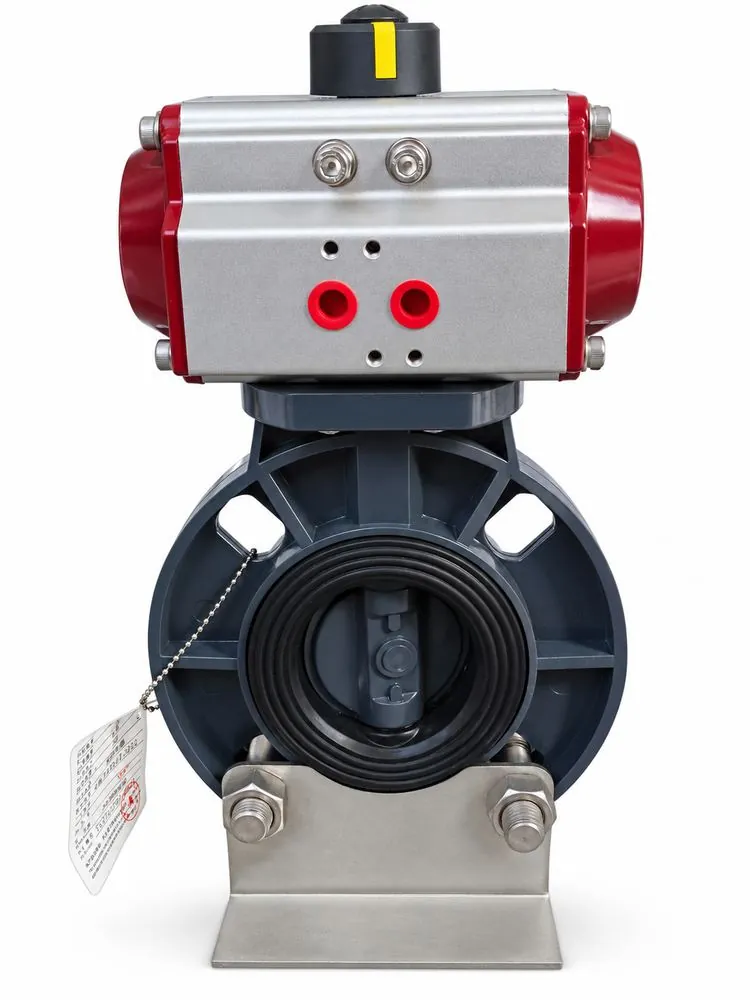 UPVC WAFER BUTTERFLY VALVE WITH SINGLE ACTING ACTUATOR GPVC-BF+AT000SView Product
FAQ
What is the fail-safe position?
Single-acting actuators use spring return to either fail-open or fail-close position, depending on installation orientation and application requirements.
What air supply pressure is required?
Standard 3-8 bar; must exceed spring return pressure plus valve torque requirement; consult factory for sizing.
Can the fail-safe direction be changed?
Yes, by reversing the actuator mounting or using a different model; consult factory for specific configuration.
How does it differ from double-acting?
Single-acting uses air for one stroke and spring for the other (fail-safe); double-acting uses air for both strokes and holds position on air loss.
What maintenance is required?
Regular inspection of air supply, filter regulator, and spring condition; springs are designed for long service life under normal operating conditions.