

High Performance Butterfly Valve
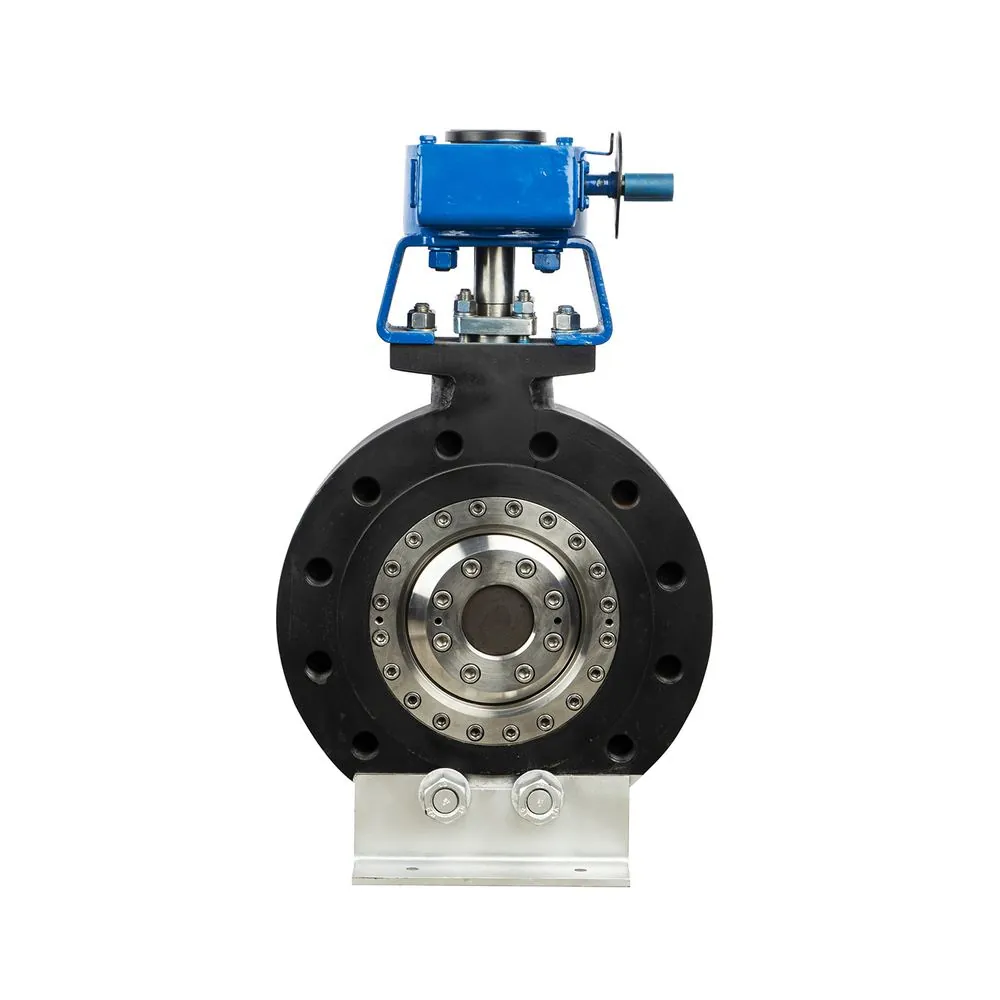
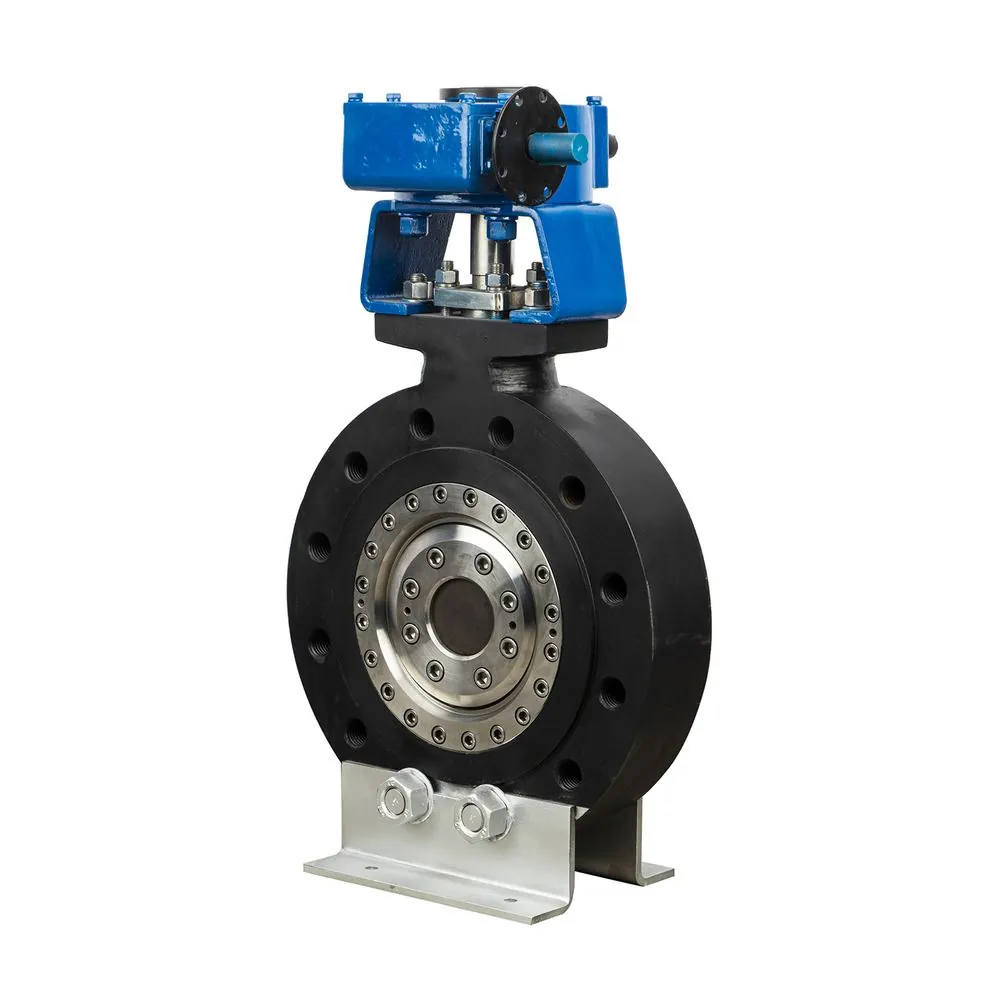
HIGH PRESSURE TRIPLE ECCENTRIC BUTTERFLY VALVE
The HIGH PRESSURE TRIPLE ECCENTRIC BUTTERFLY VALVE is a resilient-seated butterfly valve for on/off and throttling service with low torque operation.
Product Overview
This butterfly valve provides reliable shut-off and control with a compact, lightweight design. The disc rotates 90 degrees for quick operation, suitable for a wide range of industrial applications including water treatment, HVAC and chemical processing.
Product Features
- Compact, lightweight design
- Quarter-turn operation for quick control
- Low pressure drop and high flow capacity
- Reliable sealing with replaceable seat
- Suitable for wide range of media and temperatures
Technical Specifications (For reference only. The actual parameters need to be verified with us).
| Parameter | Value / Unit |
|---|---|
| Size | DN50-DN1200 |
| Pressure | PN16-PN100, Class150-Class600 |
| Body | WCB/CF8/CF8M |
| Seat | Stainless steel/Inconel, fire-safe |
| Process Temperature | -196C to +800C |
| Design Standard | ISO 5211 / DIN 3337 |
| Face-to-Face Standard | EN 558 / API 609 |
| Flange Standard | EN 1092 / ANSI B16.5 |
| Testing Standard | API 598 / EN 12266 |
| Certification | CE, ISO 9001 |
| Protection Class | IP67 |
Related Products
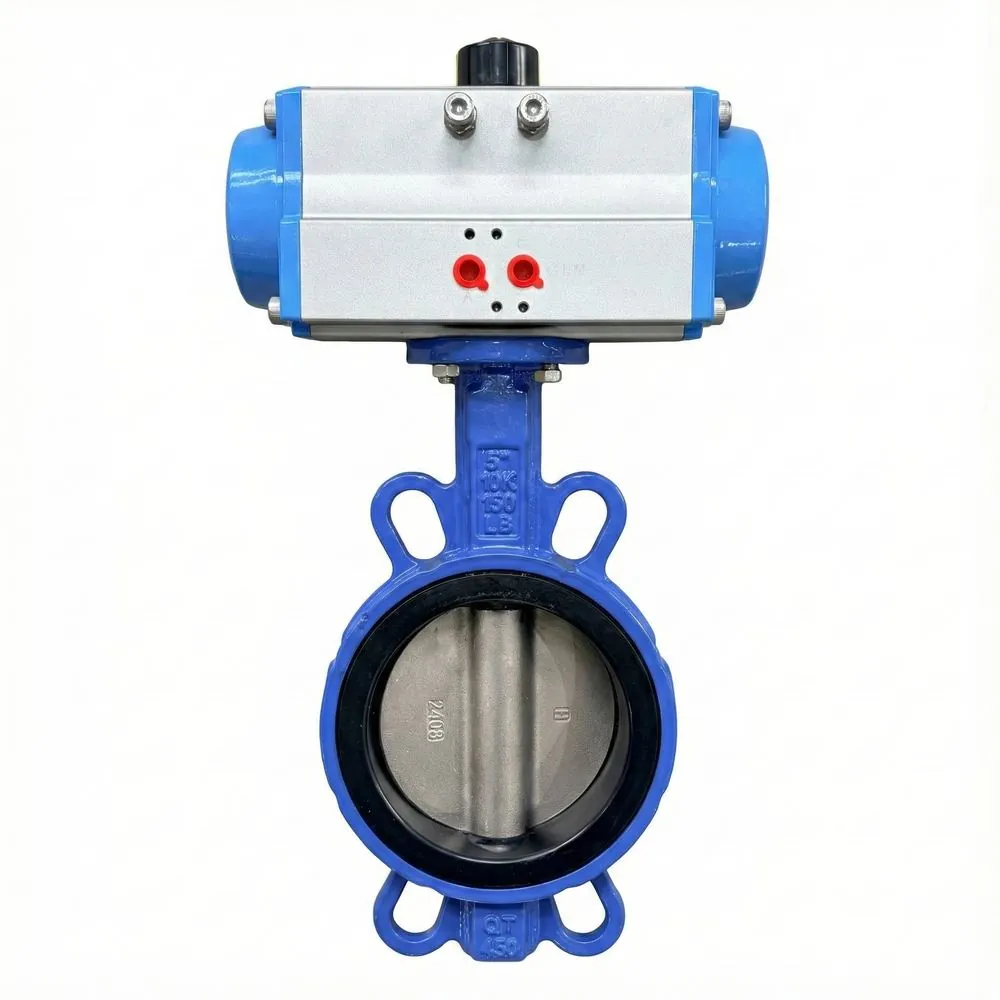 PNEUMATIC CENTERLINE RUBBER BUTTERFLY VALVEView Product PNEUMATIC PTFE RUBBER LINED COMPOSITE BUTTERFLY VALVEView Product
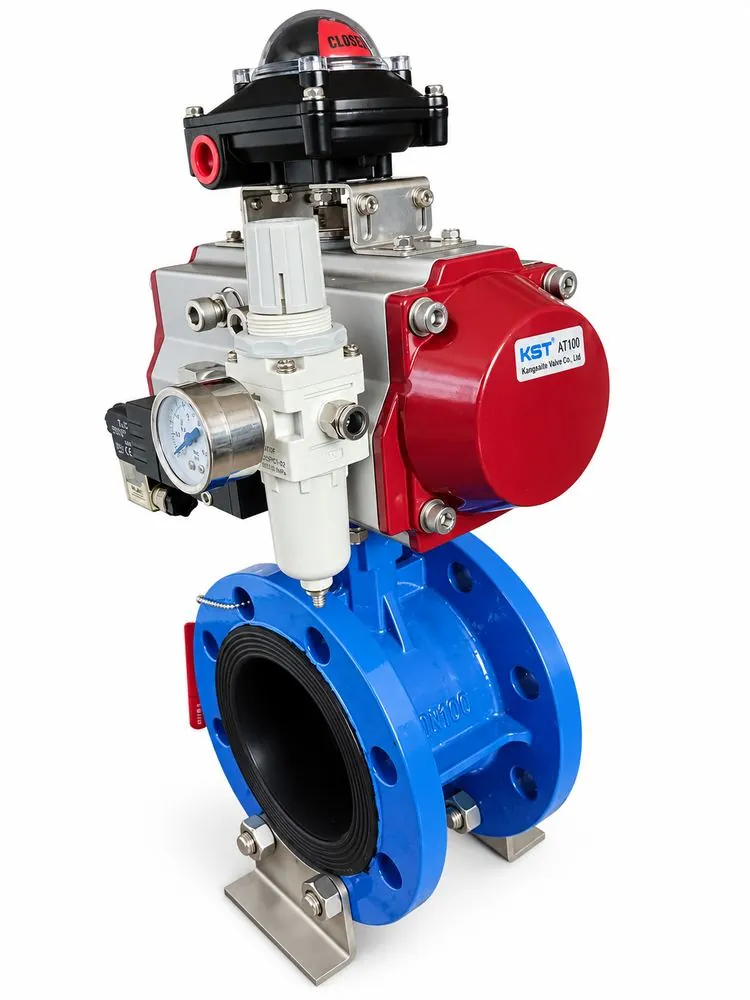 PNEUMATIC FULL PTFE LINED CENTERLINE BUTTERFLY VALVEView Product
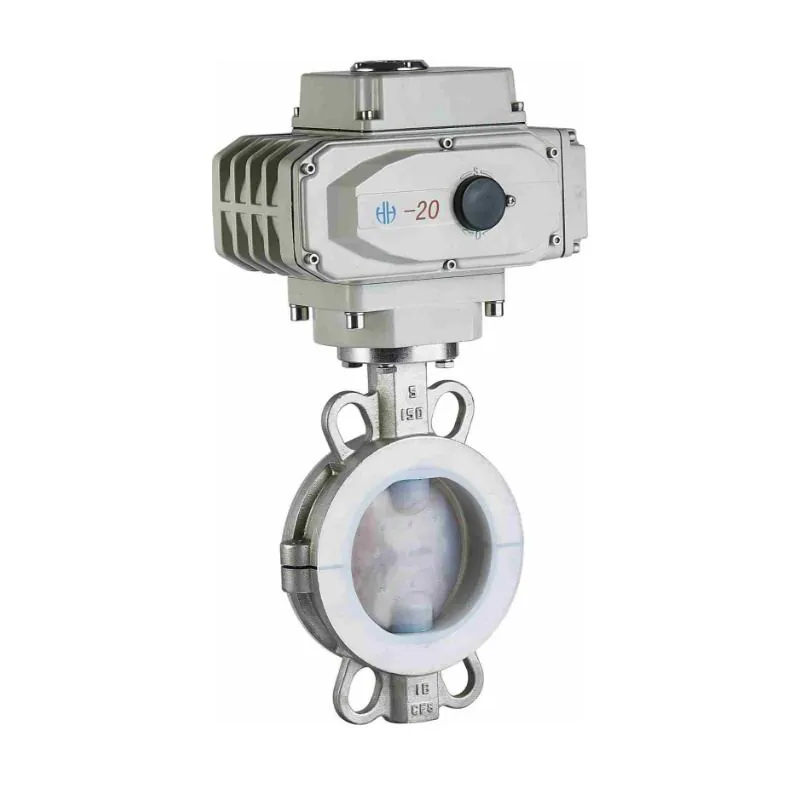 ELECTRIC CENTERLINE BUTTERFLY VALVEView Product
 CARBON STEEL BODY HIGH PERFORMANCE LUG TYPE BUTTERFLY VALVEGear Box Butterfly ValveView Product
 CAST IRON BODY STAINLESS STEEL DISC EPDM SEAT WAFER BUTTERFLY VALVE GEAR BOXGear Box Butterfly ValveView Product CAST IRON BODY STAINLESS STEEL DISC NBR SEAT WAFER BUTTERFLY VALVE GEAR BOXGear Box Butterfly ValveView Product
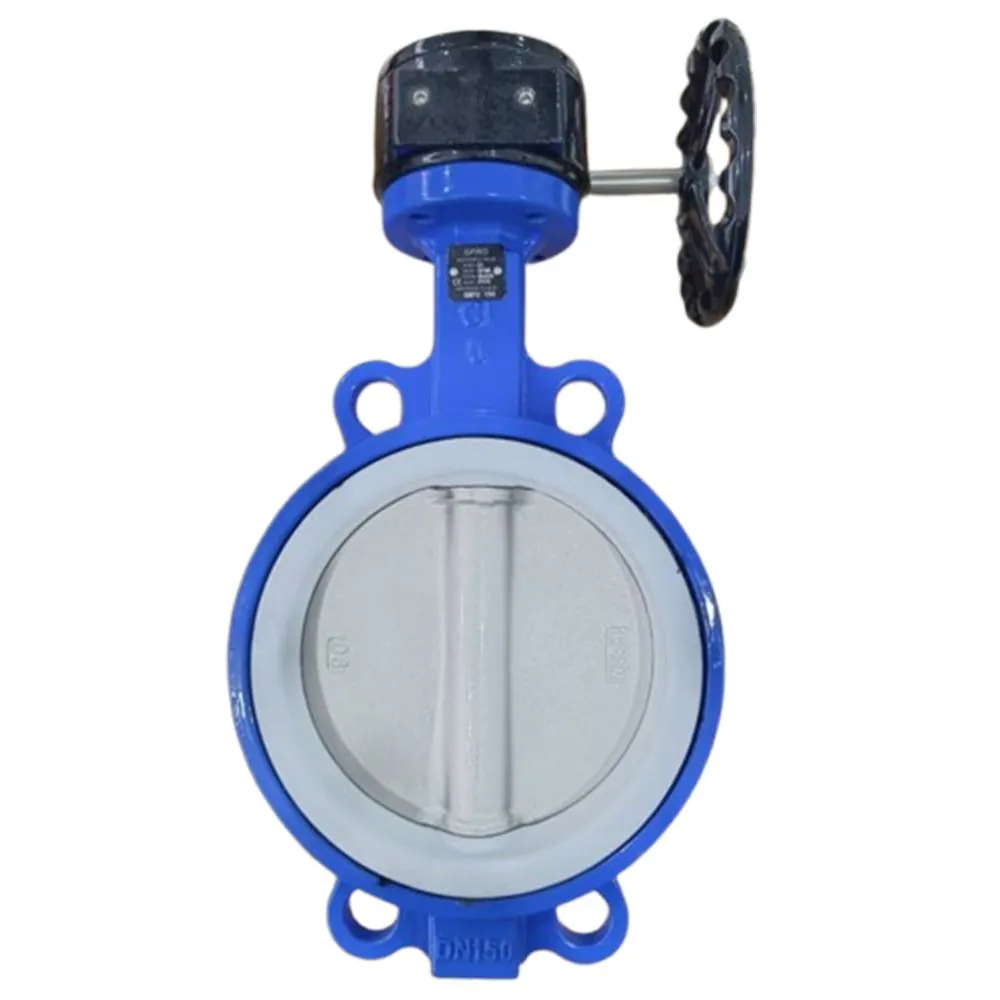 CAST IRON BODY STAINLESS STEEL DISC PTFE SEAT WAFER BUTTERFLY VALVE GEAR BOXGear Box Butterfly ValveView Product
 STAINLESS STEEL BODY HIGH PERFORMANCE LUG TYPE BUTTERFLY VALVEGear Box Butterfly ValveView Product
 STAINLESS STEEL BODY STAINLESS STEEL DISC PTFE SEAT WAFER BUTTERFLY VALVE WITHGear Box Butterfly ValveView Product
 HIGH-PERFORMANCE DOUBLE-ECCENTRIC BUTTERFLY VALVE GHPBV000High Performance Butterfly ValveView Product
 HIGH-PERFORMANCE METAL-SEATED (HARD SEAL) BUTTERFLY VALVE GHBV000High Performance Butterfly ValveView Product
 CRYOGENIC TRIPLE ECCENTRIC BUTTERFLY VALVEHigh Performance Butterfly ValveView Product
 CARBON STEEL BODY HIGH PERFORMANCE BUTTERFLY VALVE ABF-HP1M2-000Manual Butterfly ValveView Product
 CAST IRON BODY STAINLESS STEEL DISC EPDM SEAT WAFER BUTTERFLY VALVE WITH LEVERManual Butterfly ValveView Product
 CAST IRON BODY STAINLESS STEEL DISC NBR SEAT WAFER BUTTERFLY VALVE WITH LEVERManual Butterfly ValveView Product
 CAST IRON BODY STAINLESS STEEL DISC PTFE SEAT WAFER BUTTERFLY VALVE WITH LEVERManual Butterfly ValveView Product
 HIGH PERFORMANCE TRIPLE OFFSET BUTTERFLY VALVEManual Butterfly ValveView Product
 PNEUMATIC HARD SEAL BUTTERFLY VALVEManual Butterfly ValveView Product
 STAINLESS STEEL BODY HIGH PERFORMANCE BUTTERFLY VALVE ABF-HP2M2-000Manual Butterfly ValveView Product STAINLESS STEEL BODY STAINLESS STEEL DISC PTFE SEAT WAFER BUTTERFLY VALVE GEARManual Butterfly ValveView Product
FAQ
What is the difference between centerline and eccentric butterfly valves?
Centerline (concentric) valves have the disc centered on the stem; eccentric (double/triple offset) valves reduce seat wear and provide tighter shutoff for high-pressure service.
What seat materials are available?
Standard EPDM for water service, NBR for oil, PTFE for chemical resistance, and metal seats for high-temperature and abrasive applications.
What is the difference between wafer and lug style?
Wafer style fits between flanges with through-bolts; lug style has threaded inserts allowing removal from one side without disassembling the entire line.
Can butterfly valves be used for throttling?
Yes, but typically limited to 20-80% open range; prolonged operation near closed position may cause seat wear and cavitation.
What torque is required for operation?
Torque varies by size, pressure, and seat material; consult sizing charts for actuator selection; gear operators recommended for DN200 and above.