
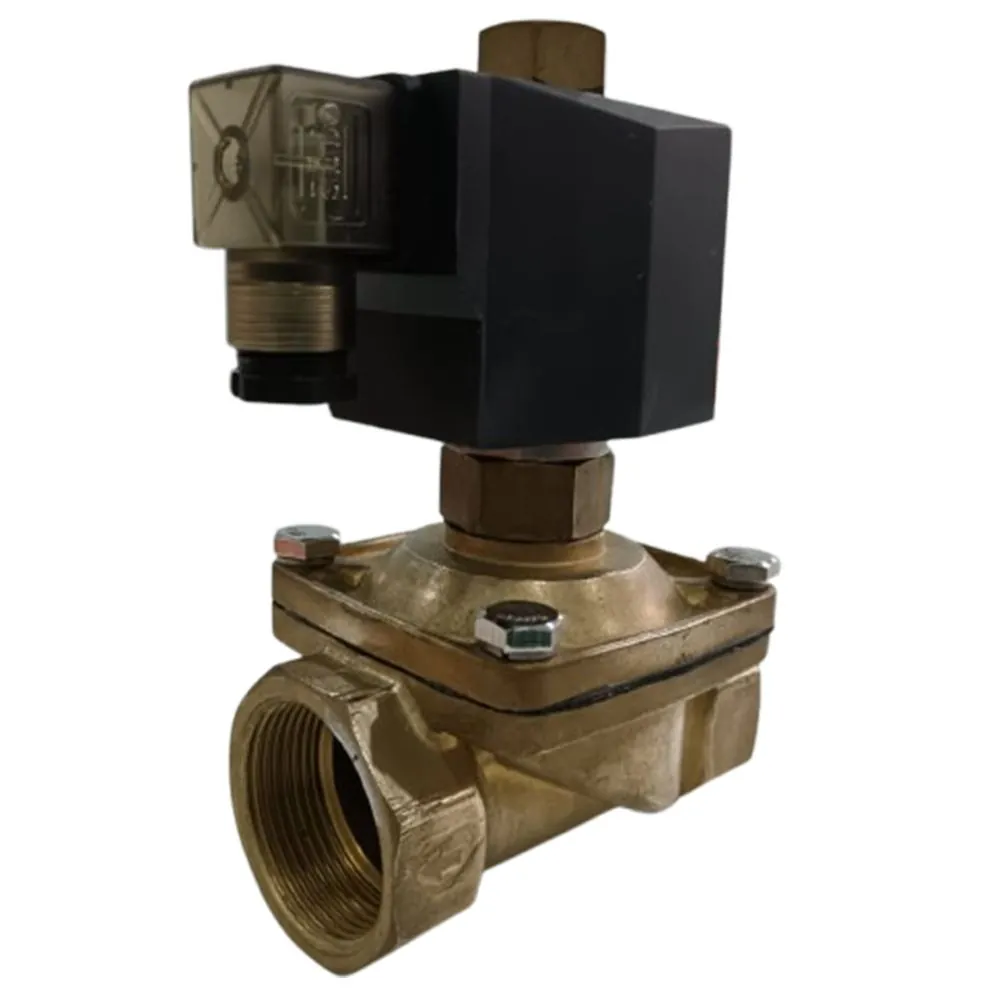
Solenoid Valve
BRASS BODY 2-2 WAY SOLENOID VALVE GPW-NO
The BRASS BODY 2-2 WAY SOLENOID VALVE GPW-NO is a solenoid valve for reliable fluid control in pneumatic and hydraulic systems with fast response time.
Product Overview
This solenoid valve provides reliable electromechanical flow control for industrial automation. The solenoid coil actuates the valve for quick on/off control of fluids and gases in various applications.
Product Features
- Electromechanical flow control
- Quick response time
- Reliable solenoid coil
- Suitable for various fluids and gases
- Compact design for easy installation
Technical Specifications (For reference only. The actual parameters need to be verified with us).
| Parameter | Value / Unit |
|---|---|
| Product Type | 2/2-Way Brass Solenoid Valve |
| Model / Series | GPW / GPS series |
| Size / Diameter | DN15~DN300 |
| Pressure Rating | 0~1.6 MPa (water), 0~1.0 MPa (steam) |
| Process Temperature | -10°C ~ +80°C (NBR) |
| Body Material | Brass CW617N |
| Stem Material | Stainless Steel SS304 |
| Seat Material | NBR |
| Connection | Threaded BSPP ends |
| Actuation | Manual / Actuator |
| Applicable Medium | Water, oil, gas |
| Applicable Standard | API / EN / ISO / ISO 9001 |
| Design Standard | Namur / VDI/VDE 3845 |
| Face-to-Face Standard | EN 558 / API 609 |
| Flange Standard | EN 1092 / ANSI B16.5 |
| Testing Standard | Factory tested / API 598 |
| Certification | CE, ISO 9001 |
| Protection Class | IP65 |
Related Products
 BRASS BODY 2-2 WAY HIGH PRESSURE SOLENOID VALVE 7121K00View Product
 BRASS BODY 2-2 WAY HIGH PRESSURE SOLENOID VALVE WITH TIMER 7121K00+EZ3View Product
 BRASS BODY 2-2 WAY SOLENOID VALVE GPW-NCView Product
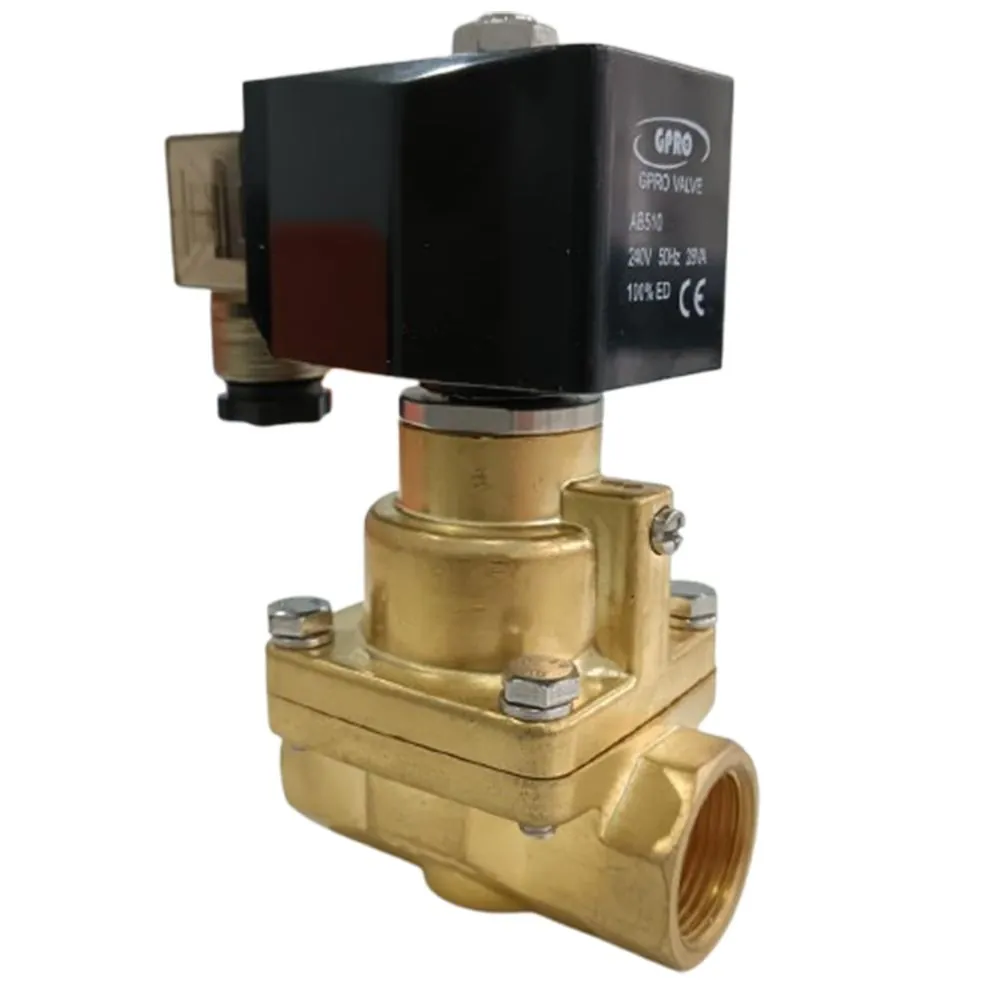 BRASS BODY 2-2 WAY STEAM SOLENOID VALVE GPS-00View Product
 PARKER BRASS BODY 2-2 WAY SOLENOID VALVE 7321B00View Product
 PARKER SS316 BODY 2-2 WAY SOLENOID VALVE 221sView Product PARKERBRASS BODY 2-2 WAY SOLENOID VALVE Normally open 7322B00View Product
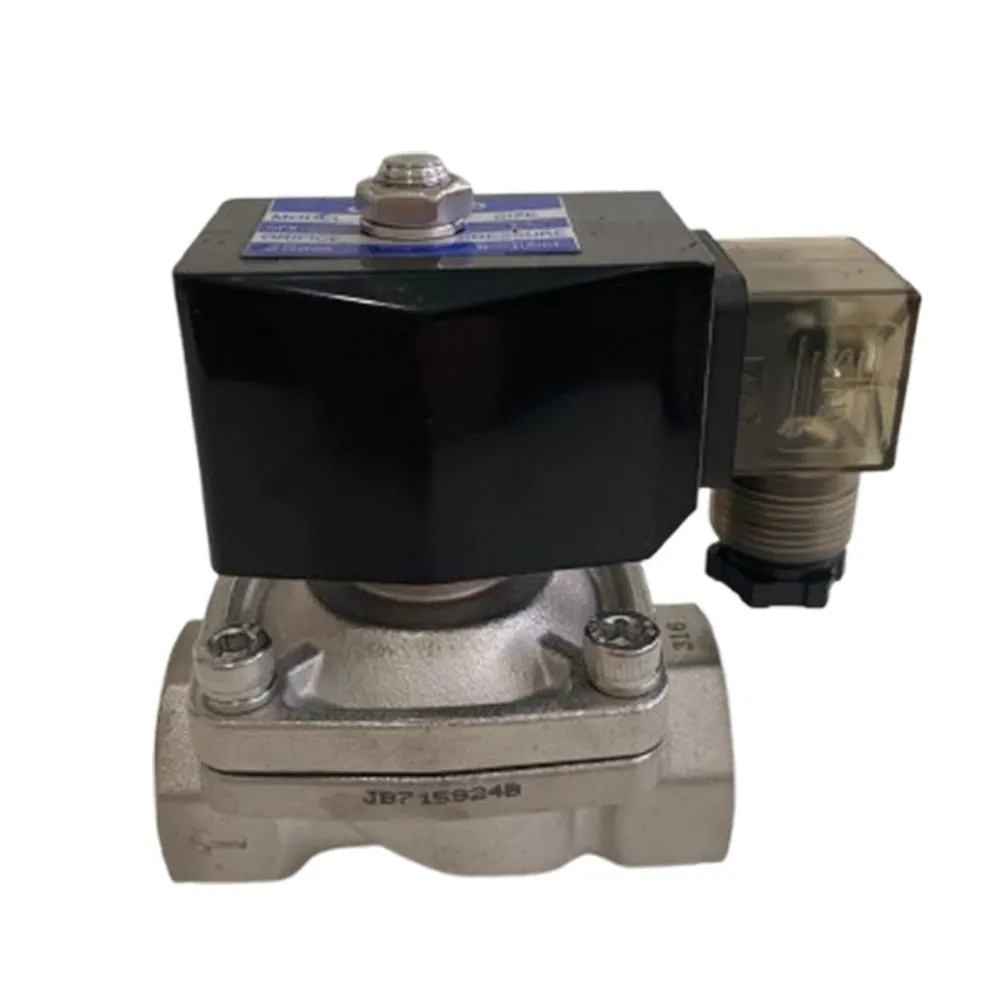 SS316 2-2-WAY SOLENOID VALVE GPW-S6-NCView Product
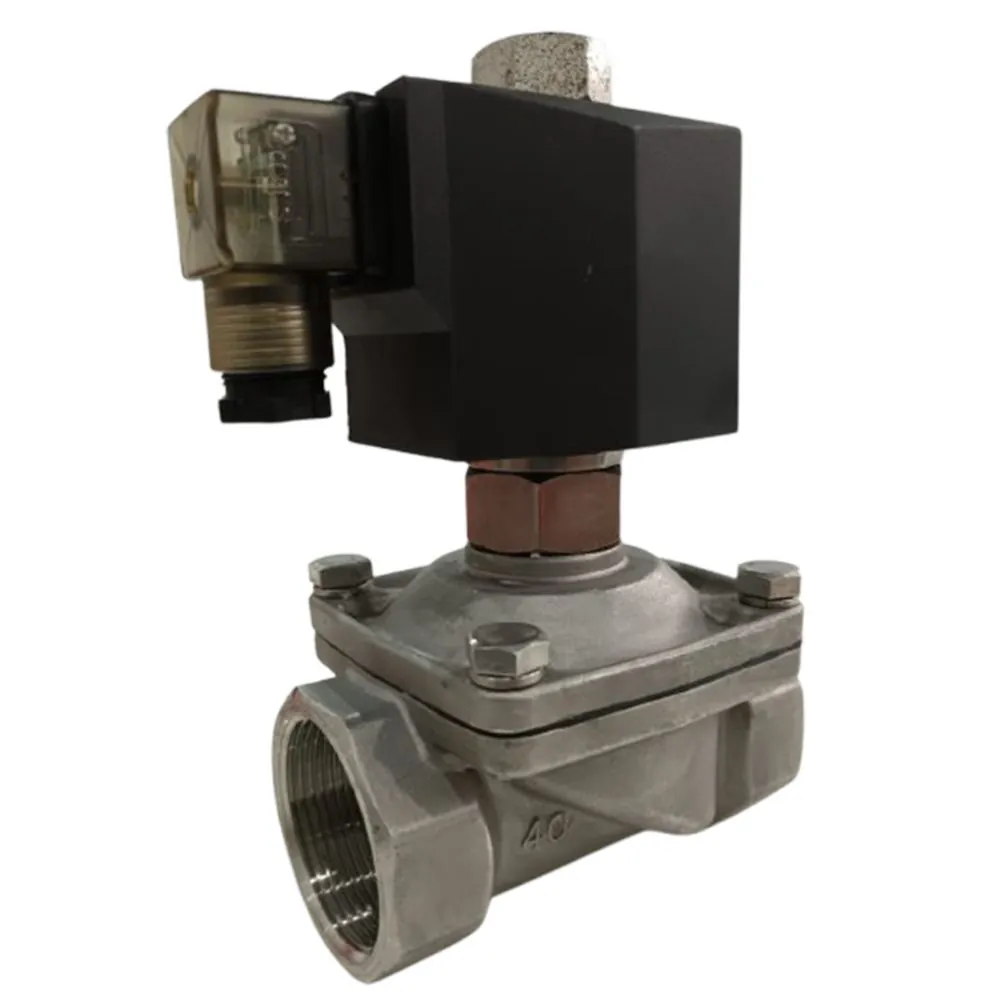 SS316 2-2-WAY SOLENOID VALVE GPW-S6-NOView Product
FAQ
What is the difference between 2-way and 3-way solenoid valves?
2-way controls flow in one line (on/off); 3-way has three ports for diverting, mixing, or actuating double-acting cylinders.
What is the difference between direct-acting and pilot-operated?
Direct-acting opens the orifice directly with the plunger (low flow, works from zero pressure); pilot-operated uses line pressure to assist opening (higher flow).
What does NC and NO mean?
NC (normally closed) is closed when de-energized; NO (normally open) is open when de-energized; selection depends on fail-safe requirements.
What voltage options are available?
Standard 24V DC, 110V AC, 220V AC; other voltages available; DC coils have lower inrush and are preferred for battery/solar systems.
What is the duty cycle?
Most coils are 100% continuous duty; verify for your specific model; intermittent duty coils will overheat if energized continuously.