
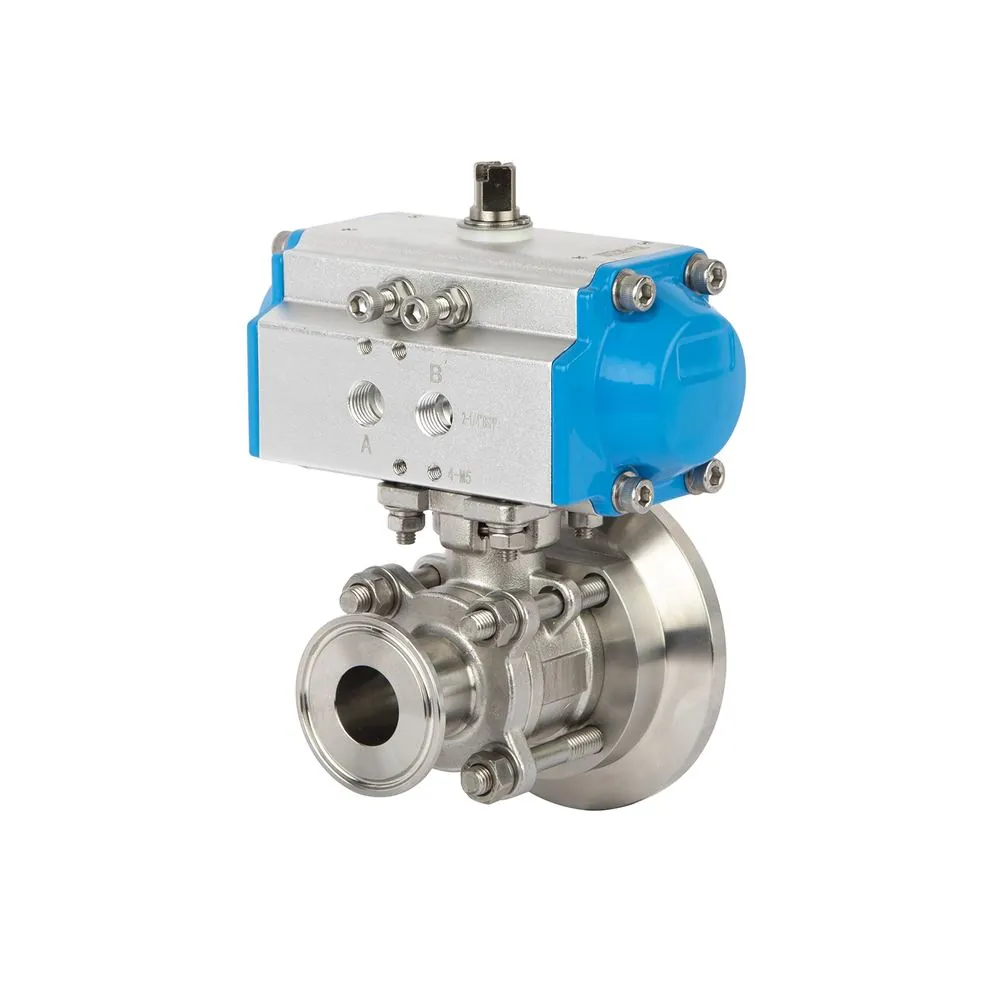
Sanitary Ball Valve
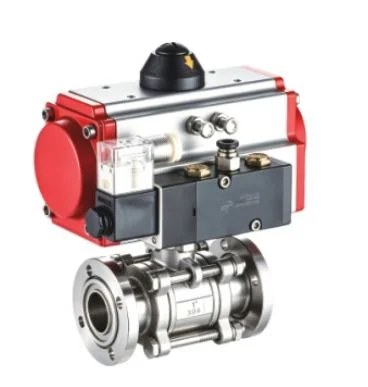
PNEUMATIC SANITARY TANK BOTTOM BALL VALVE
The PNEUMATIC SANITARY TANK BOTTOM BALL VALVE is a high-performance ball valve for shut-off and control applications with precision balls and seats.
Product Overview
This sanitary valve provides hygienic flow control for food, beverage, pharmaceutical and biotech applications. Designed with smooth, crevice-free surfaces and cleanable construction to meet strict sanitary standards.
Product Features
- Hygienic design for sanitary applications
- Smooth, crevice-free surfaces
- Easy cleaning and sterilization
- Meets food and pharmaceutical standards
- Stainless steel construction
Technical Specifications (For reference only. The actual parameters need to be verified with us).
| Parameter | Value / Unit |
|---|---|
| Size range | DN25 - DN100 (1" - 4") |
| Body material | AISI 304 / 316L stainless steel |
| Seat material | PTFE / RTFE |
| Pressure range | 0 - 10 bar |
| Process Temperature | -20 to +180 C (PTFE/EPDM) |
| Actuator | Pneumatic rack & pinion |
| Air supply | 5 - 7 bar clean dry air |
| Tank connection | Flush weld / flange to tank bottom |
| Outlet connection | Tri-clamp / welded |
| Surface finish | Internal Ra <= 0.6 um |
| Dead leg | Zero, cavity-free |
| Design standard | DIN EN 16767 / ASME BPE |
| Hygienic design | 3-A Sanitary Standards, EHEDG guidelines |
| Material | AISI 304 / 316L stainless steel |
| Seals | FDA 177.2600 EPDM / FKM / PTFE |
| Testing Standard | API 598 / EN 12266 |
| Certification | CE, ISO 9001 |
| Protection Class | IP67 |
Related Products
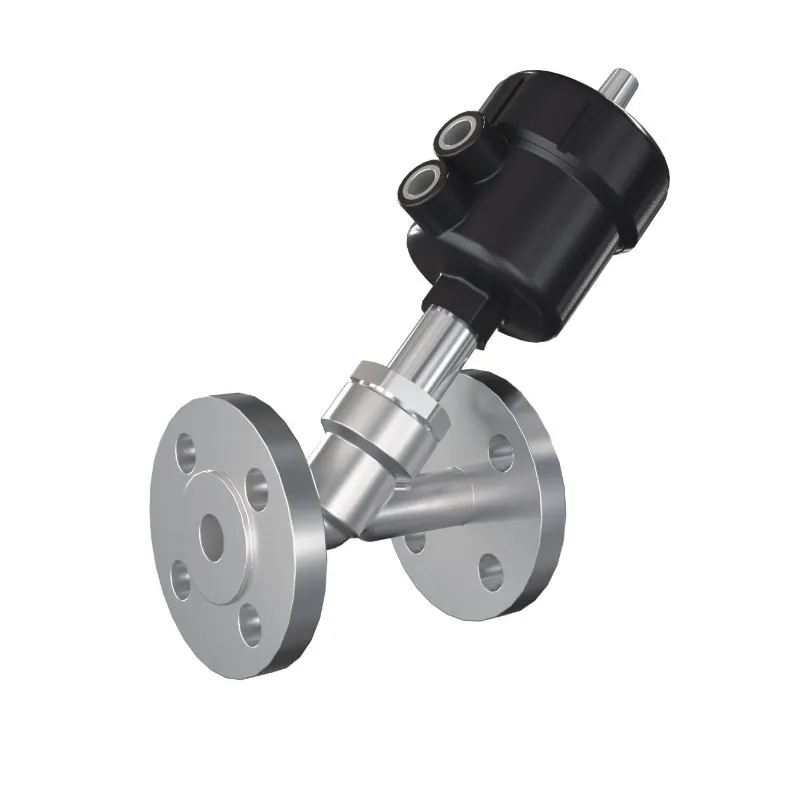 PLASTIC BODY PNEUMATIC ANGLE SEAT VALVESanitary Angle Seat ValveView Product
 STAINLESS STEEL PNEUMATIC ANGLE SEAT VALVESanitary Angle Seat ValveView Product
 KY3000 SERIES INTELLIGENT ANGLE SEAT VALVESanitary Angle Seat ValveView Product
 KY4000 SERIES INTELLIGENT ANGLE SEAT VALVESanitary Angle Seat ValveView Product
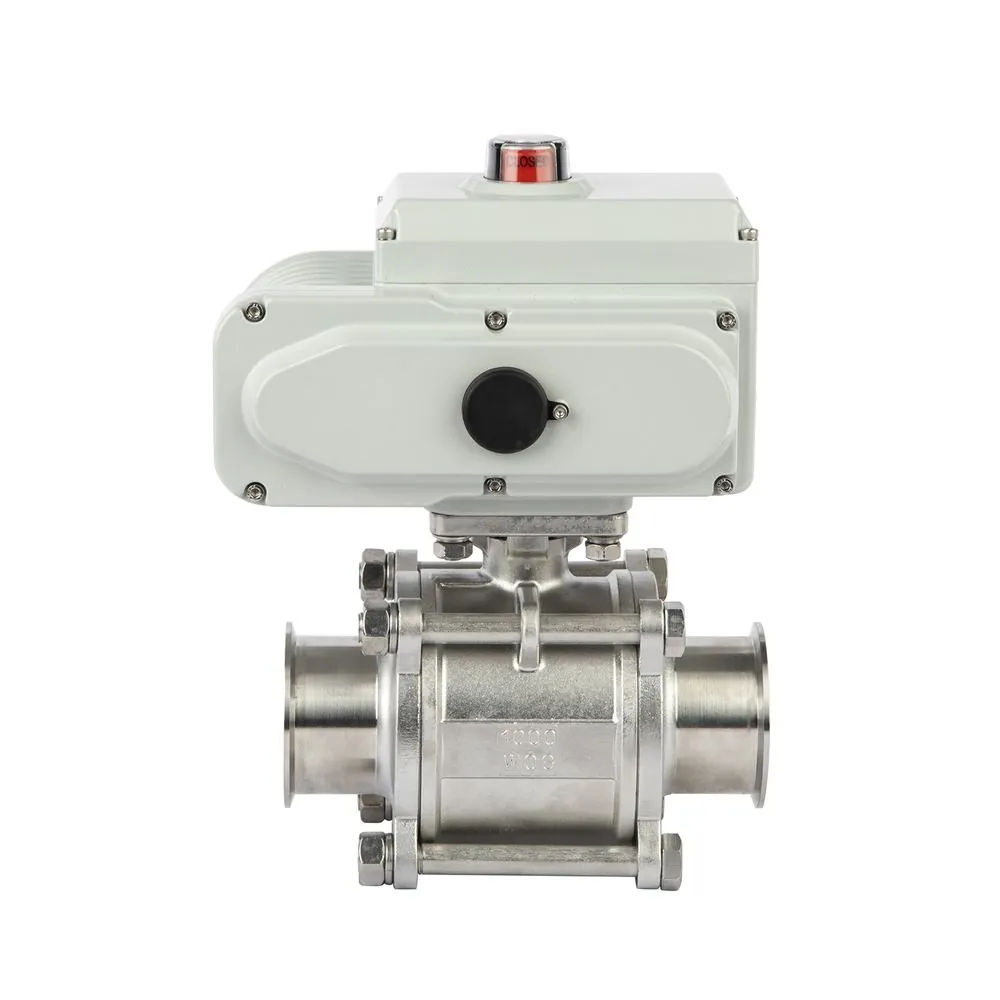 ELECTRIC SANITARY 3PC BALL VALVESanitary Ball ValveView Product
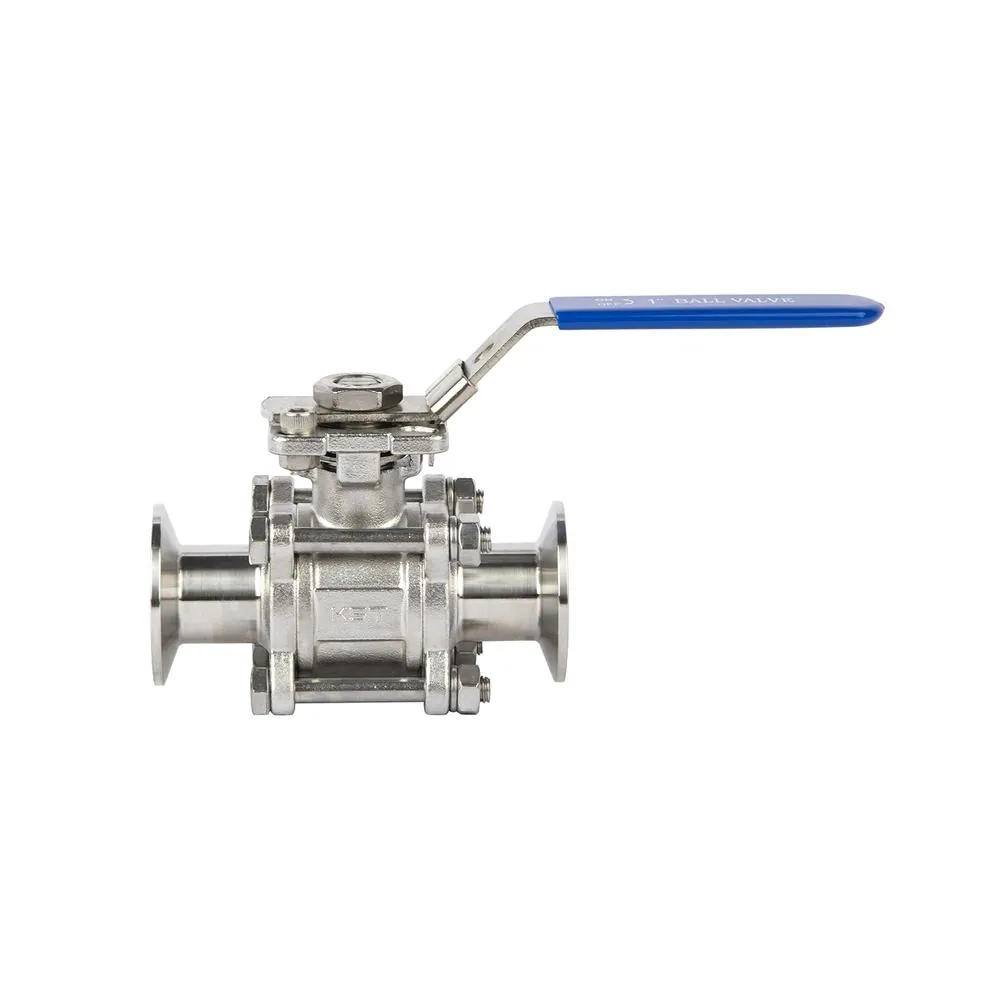 MANUAL SANITARY 3PC BALL VALVESanitary Ball ValveView Product
 PNEUMATIC SANITARY 3PC BALL VALVESanitary Ball ValveView Product
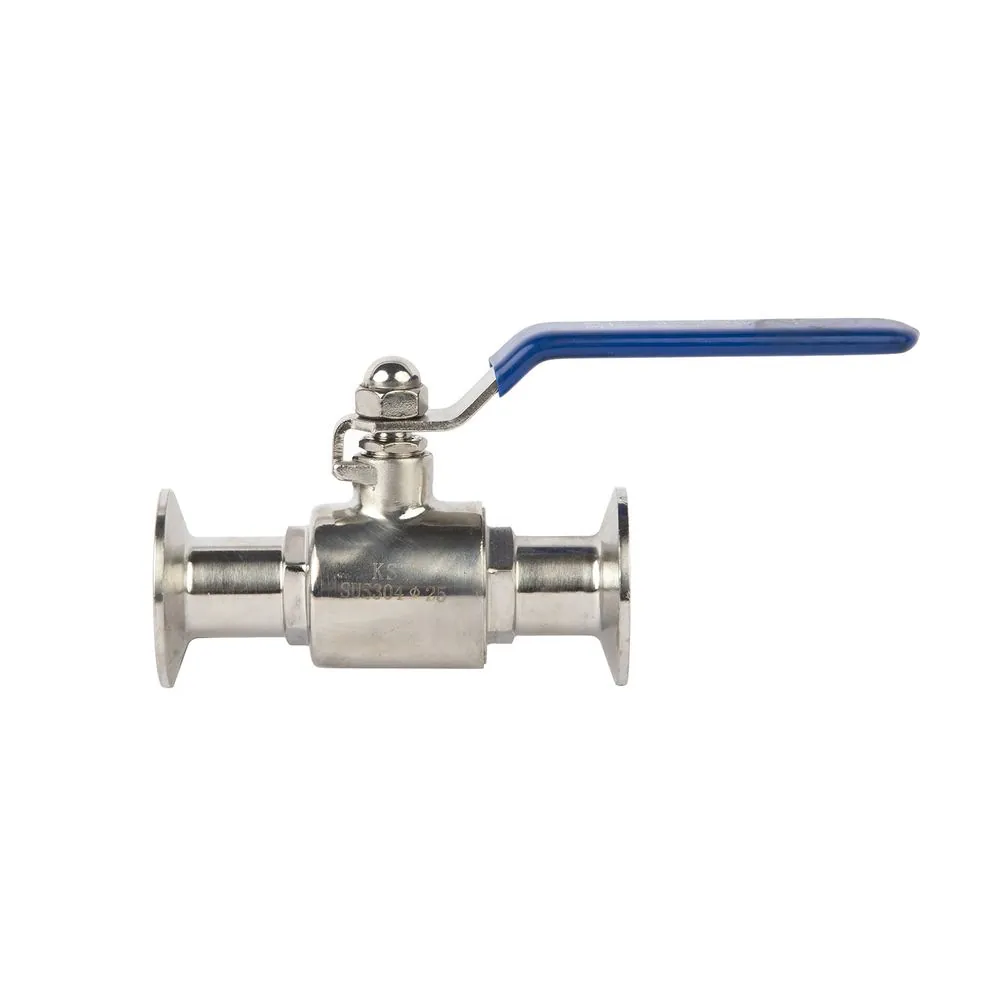 MIRROR-POLISHED SANITARY BALL VALVESanitary Ball ValveView Product
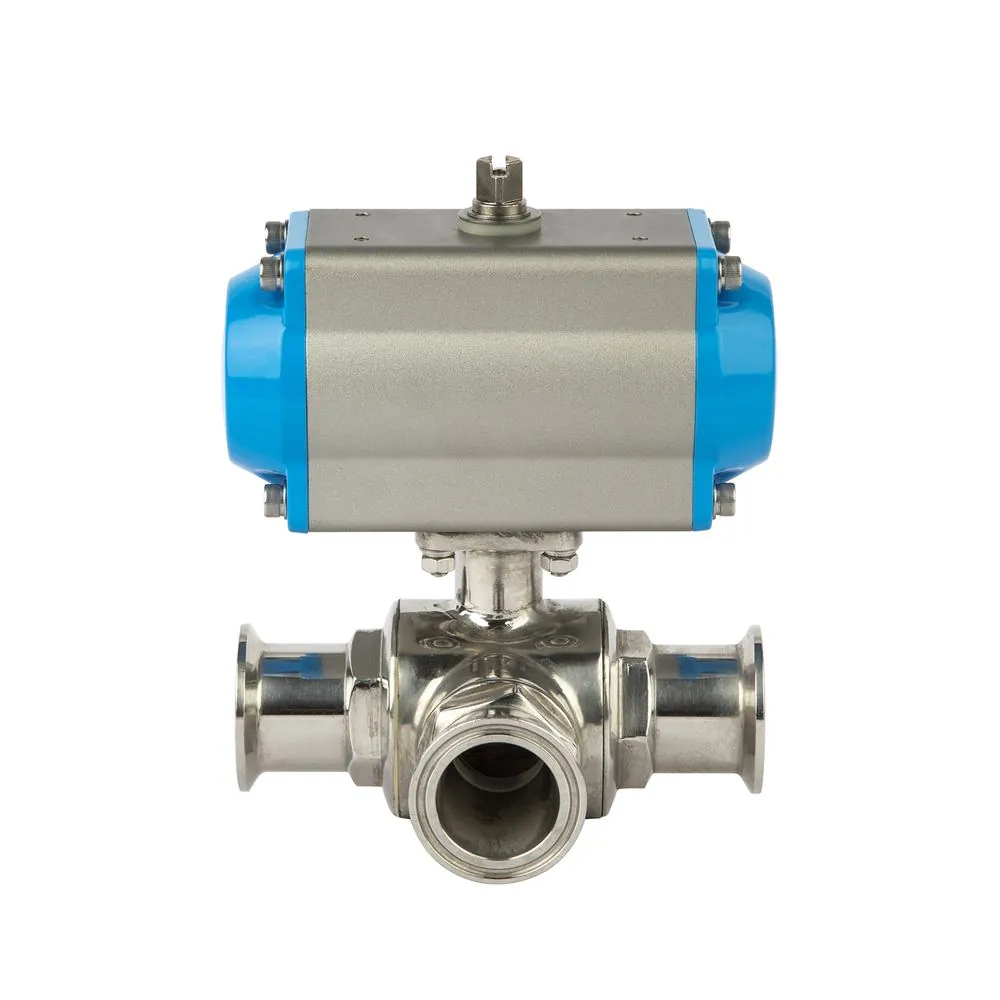 SANITARY THREE-WAY BALL VALVESanitary Ball ValveView Product
 LL-PATTERN FOUR-WAY BALL VALVESanitary Ball ValveView Product
 FLANGED SANITARY BALL VALVESanitary Ball ValveView Product
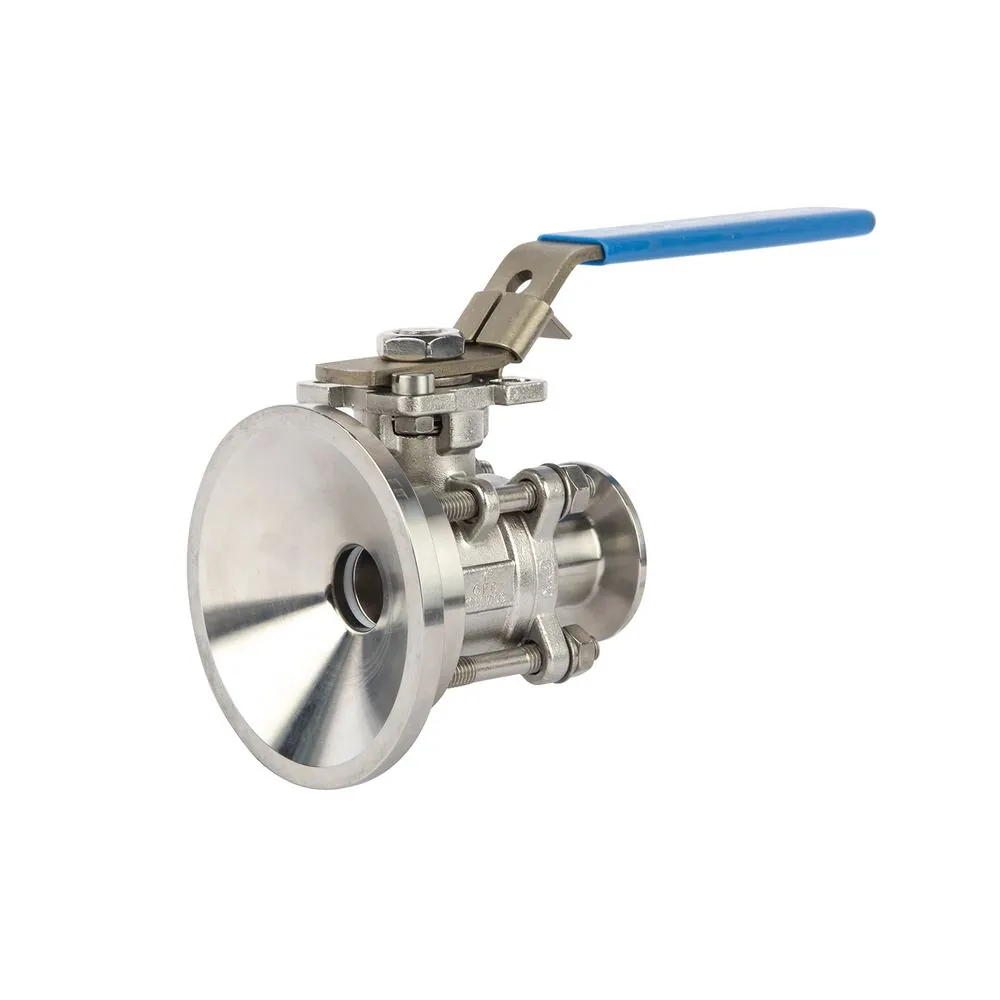 MANUAL SANITARY TANK BOTTOM BALL VALVESanitary Ball ValveView Product
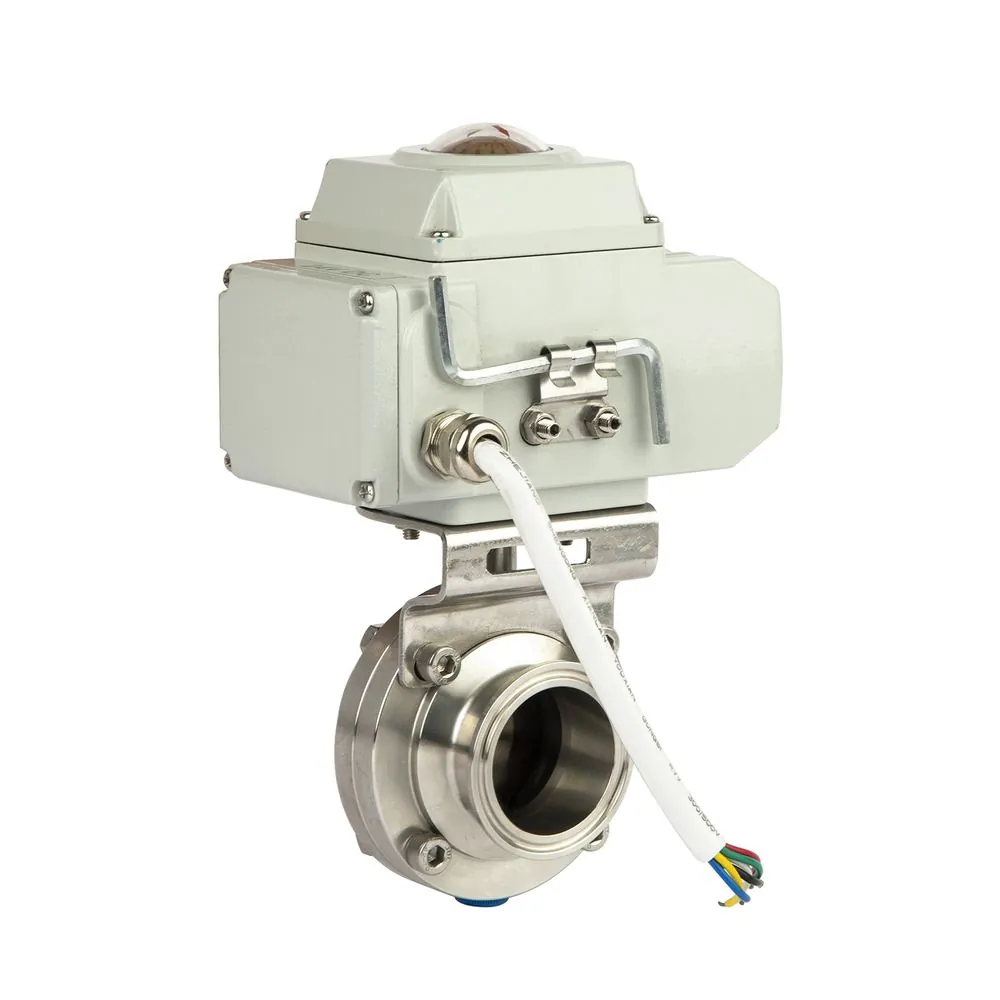 ELECTRIC SANITARY BUTTERFLY VALVESanitary Butterfly ValveView Product
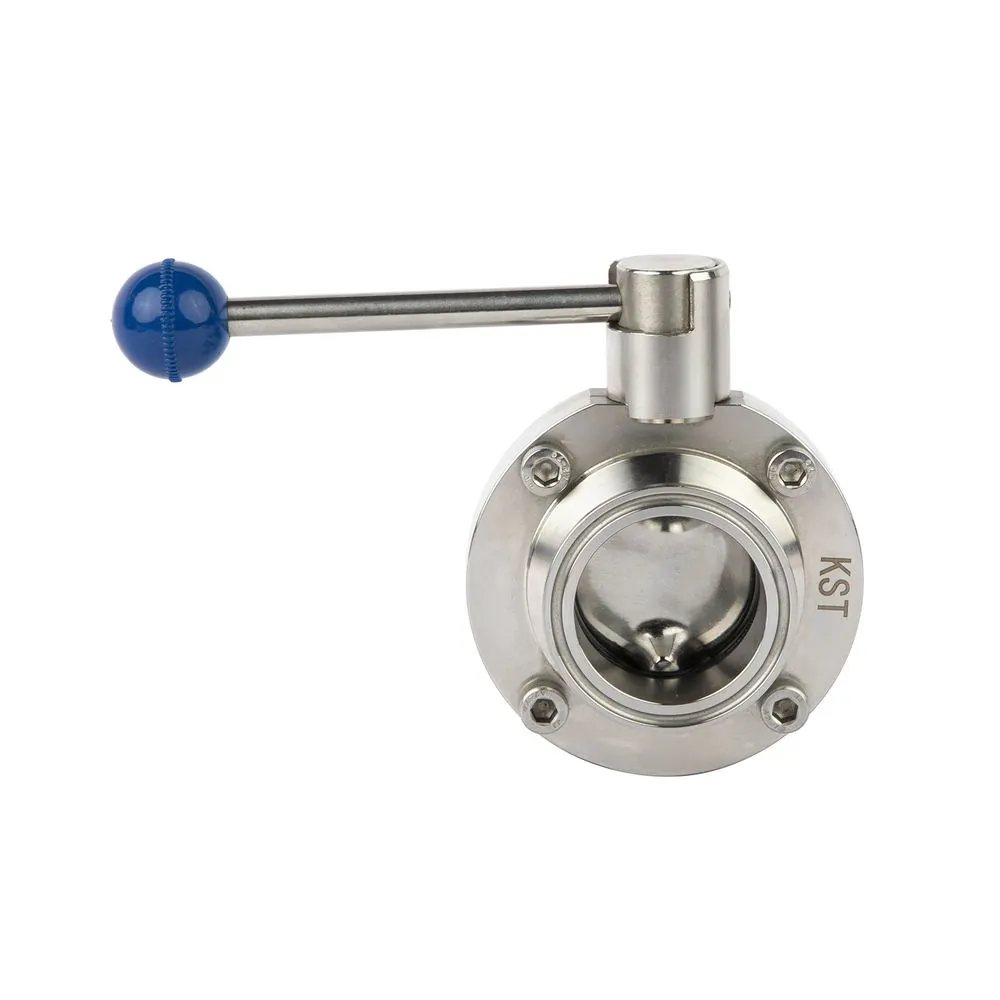 MANUAL SANITARY BUTTERFLY VALVESanitary Butterfly ValveView Product
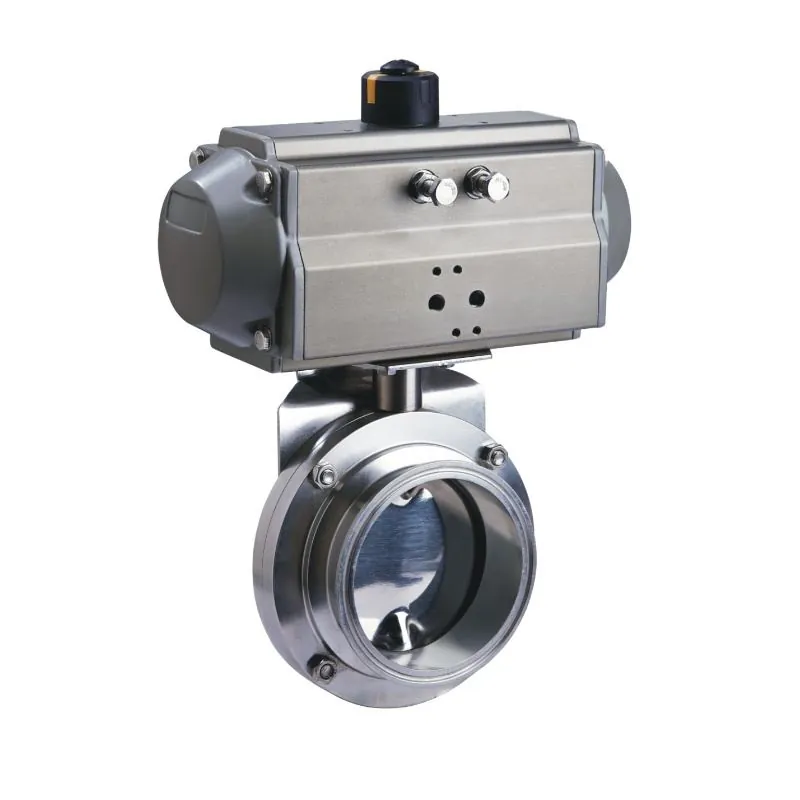 PNEUMATIC SANITARY BUTTERFLY VALVESanitary Butterfly ValveView Product
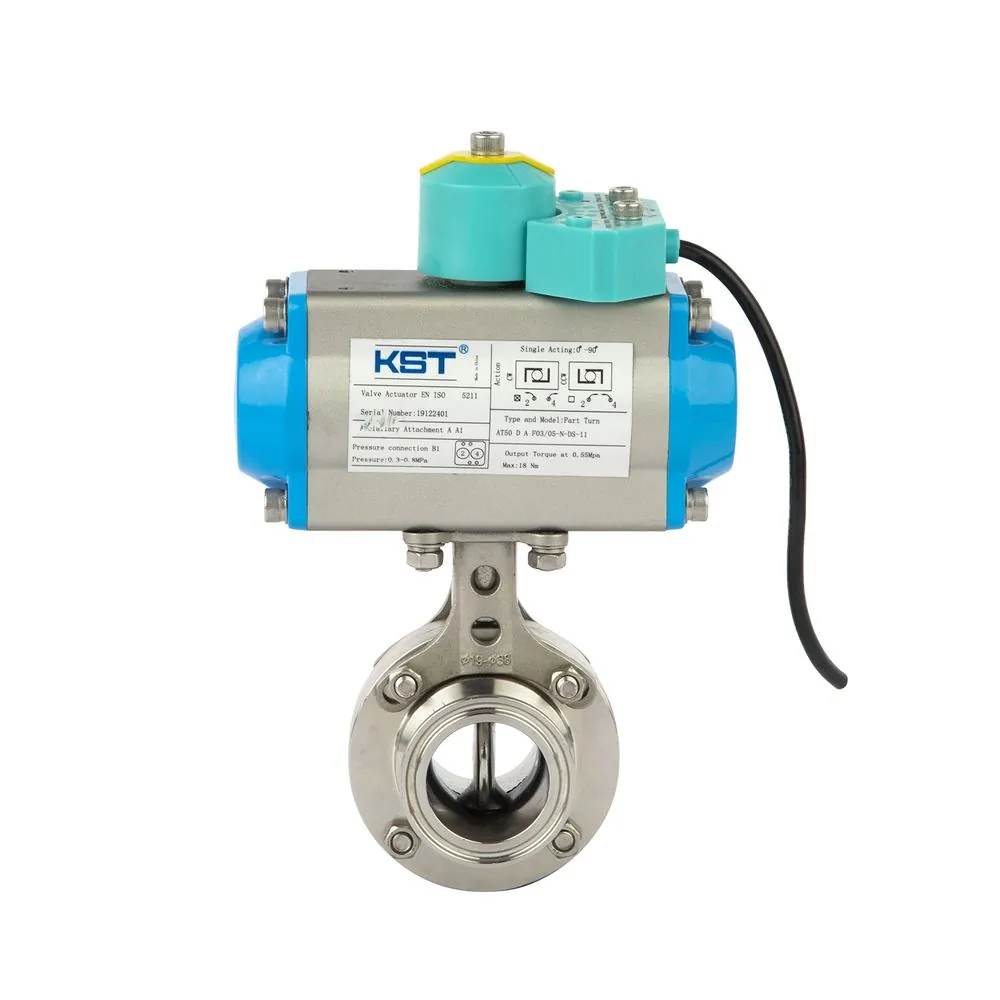 HORIZONTAL PNEUMATIC SANITARY BUTTERFLY VALVESanitary Butterfly ValveView Product
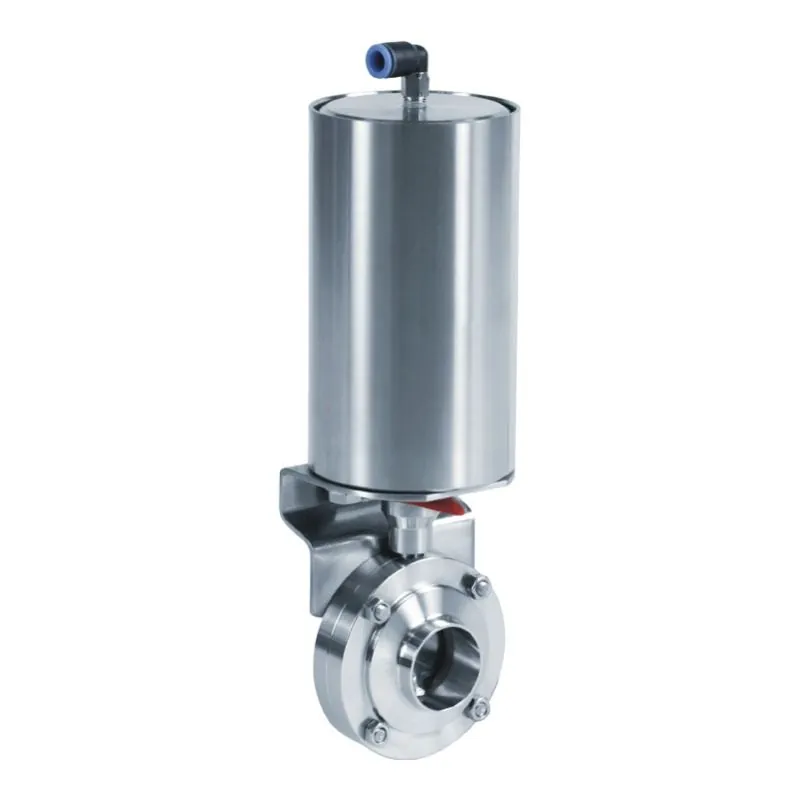 VERTICAL PNEUMATIC SANITARY BUTTERFLY VALVESanitary Butterfly ValveView Product
 SANITARY CHECK VALVESanitary Check ValveView Product
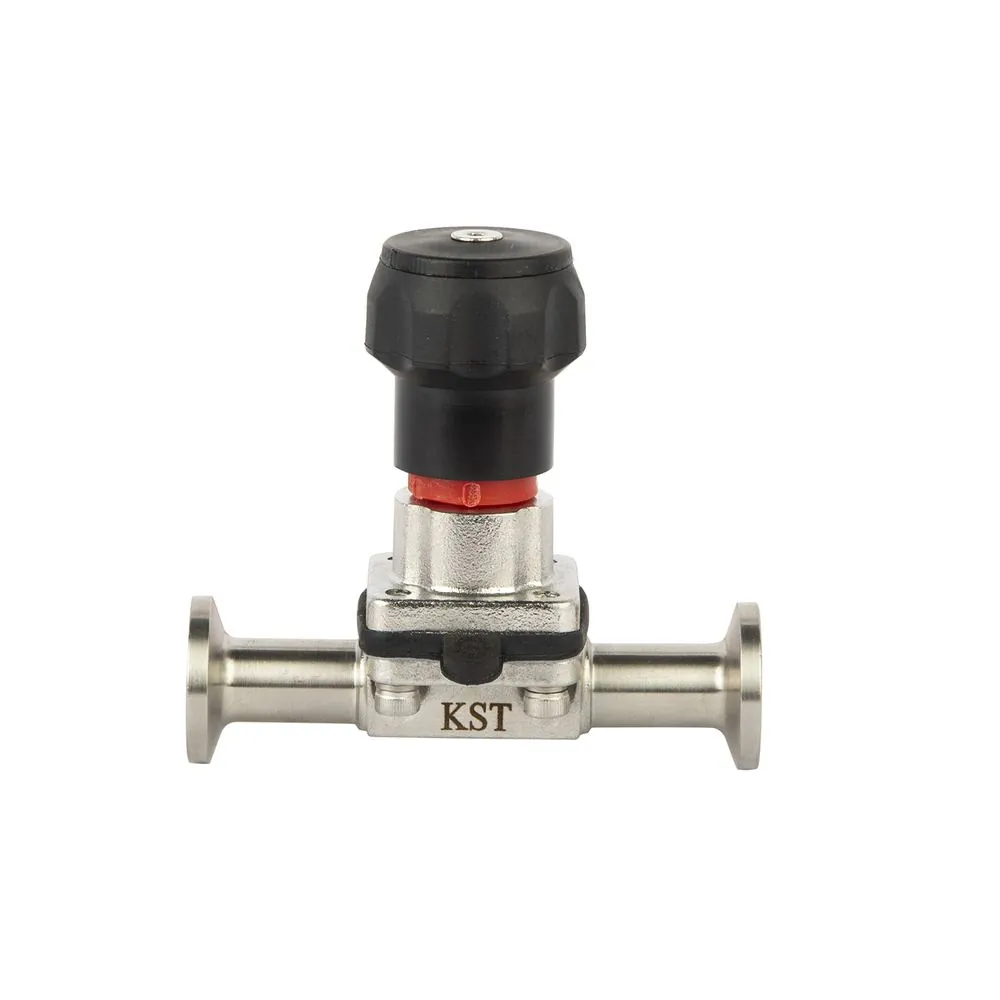 MANUAL SANITARY DIAPHRAGM VALVESanitary Diaphragm ValveView Product
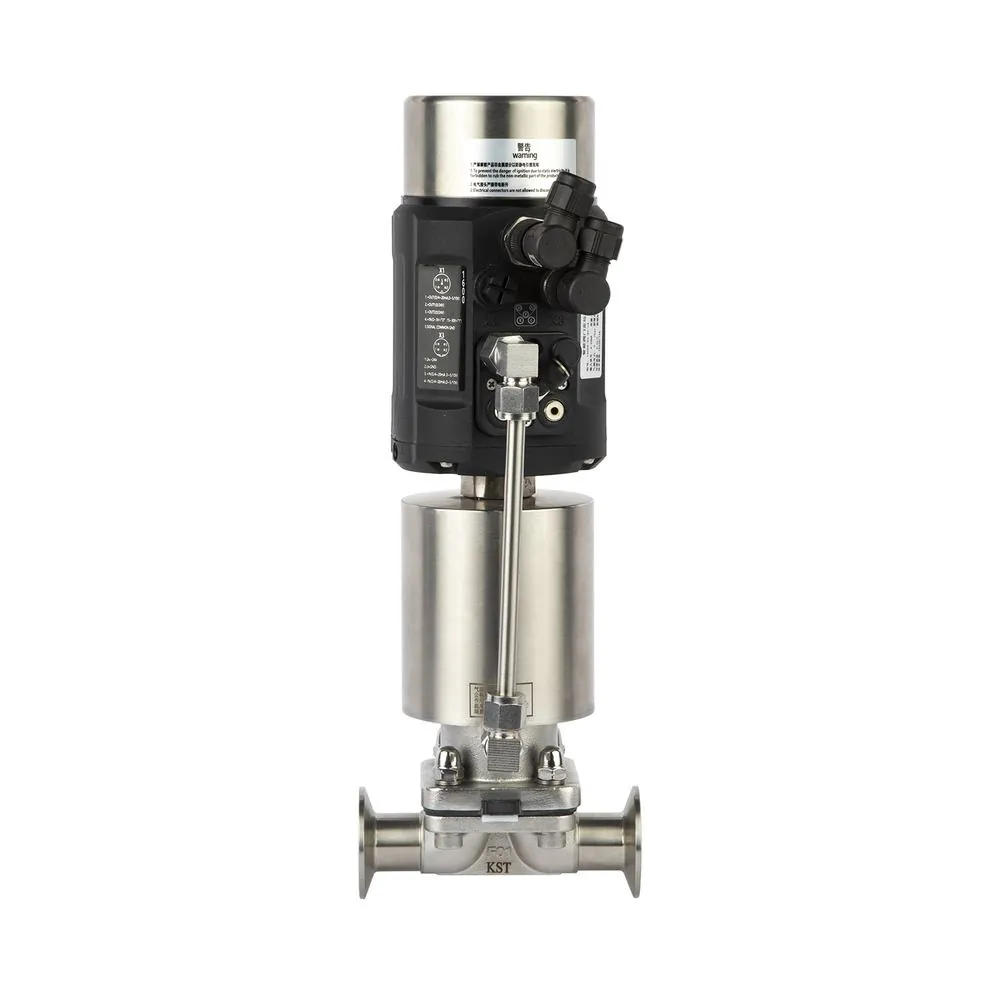 PNEUMATIC PROPORTIONAL SANITARY DIAPHRAGM VALVESanitary Diaphragm ValveView Product
 PNEUMATIC SANITARY 3-WAY DIAPHRAGM VALVESanitary Diaphragm ValveView Product
 PNEUMATIC SANITARY DIAPHRAGM VALVESanitary Diaphragm ValveView Product
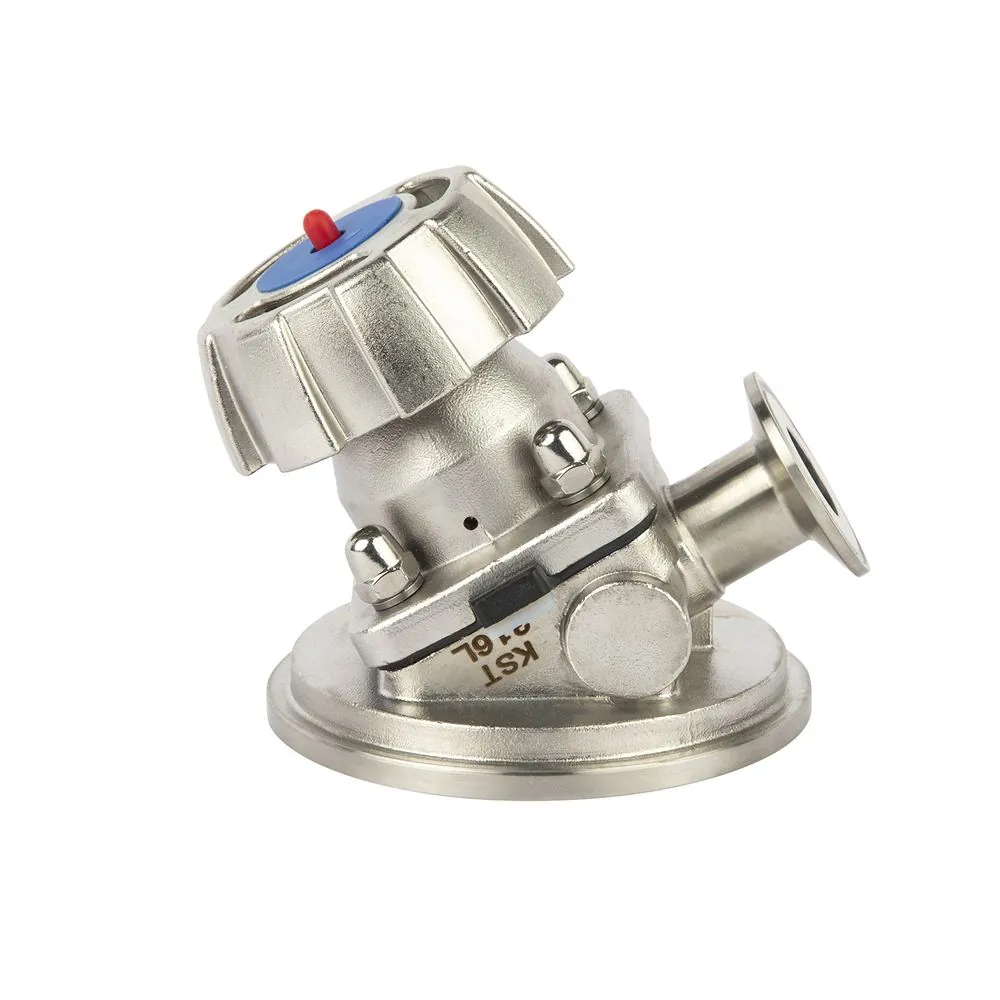 SANITARY TANK BOTTOM DIAPHRAGM VALVESanitary Diaphragm ValveView Product
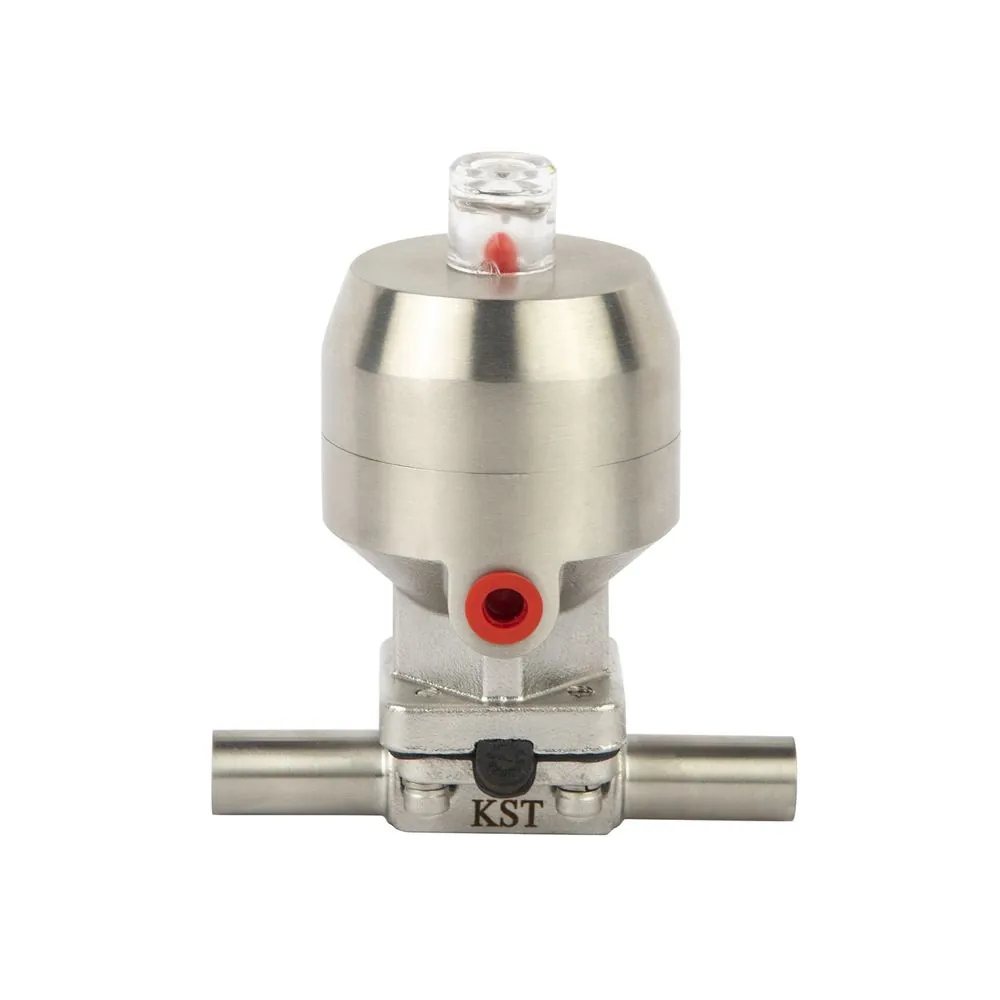 SANITARY WELDED DIAPHRAGM VALVESanitary Diaphragm ValveView Product
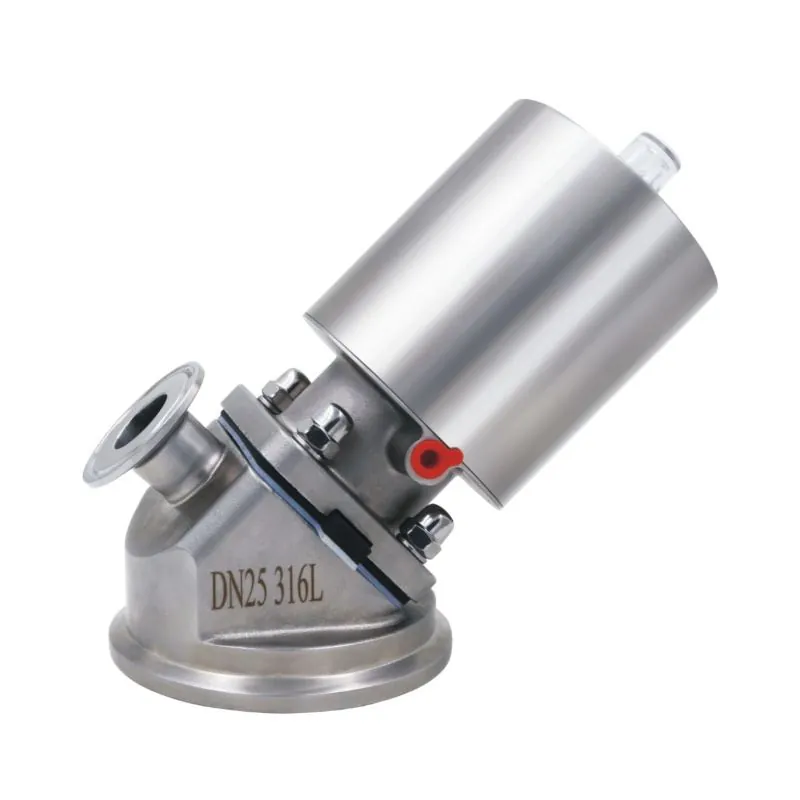 PNEUMATIC FORGED INTELLIGENT DIAPHRAGM VALVESanitary Diaphragm ValveView Product
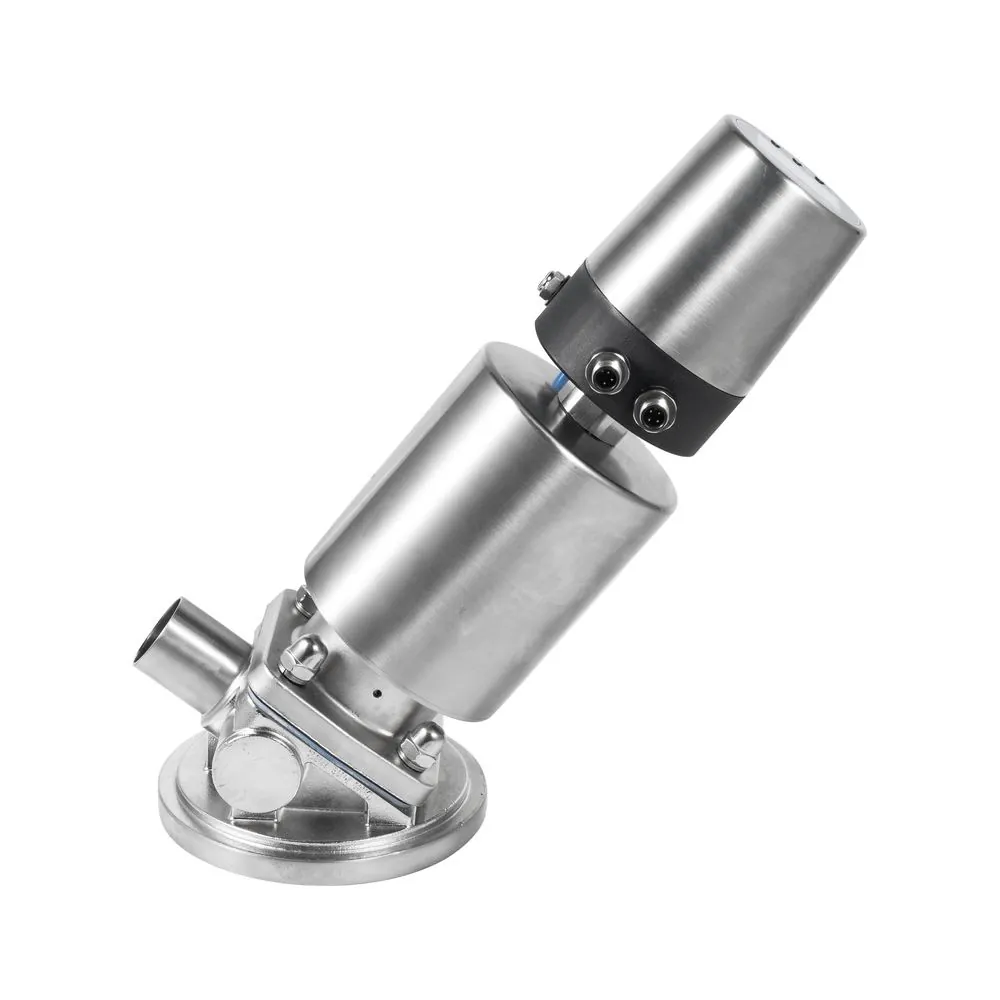 PNEUMATIC FORGED TANK BOTTOM DIAPHRAGM VALVESanitary Diaphragm ValveView Product
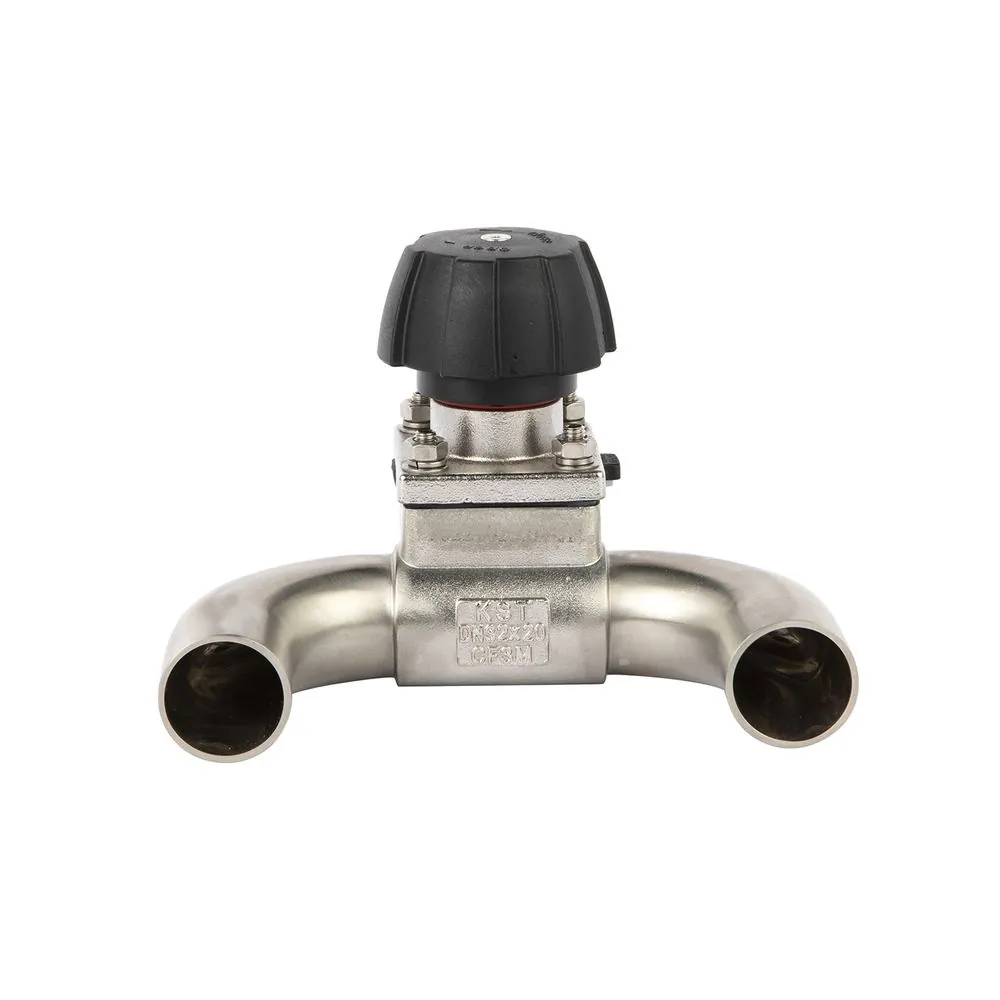 THREE-WAY U-TYPE DIAPHRAGM VALVESanitary Diaphragm ValveView Product
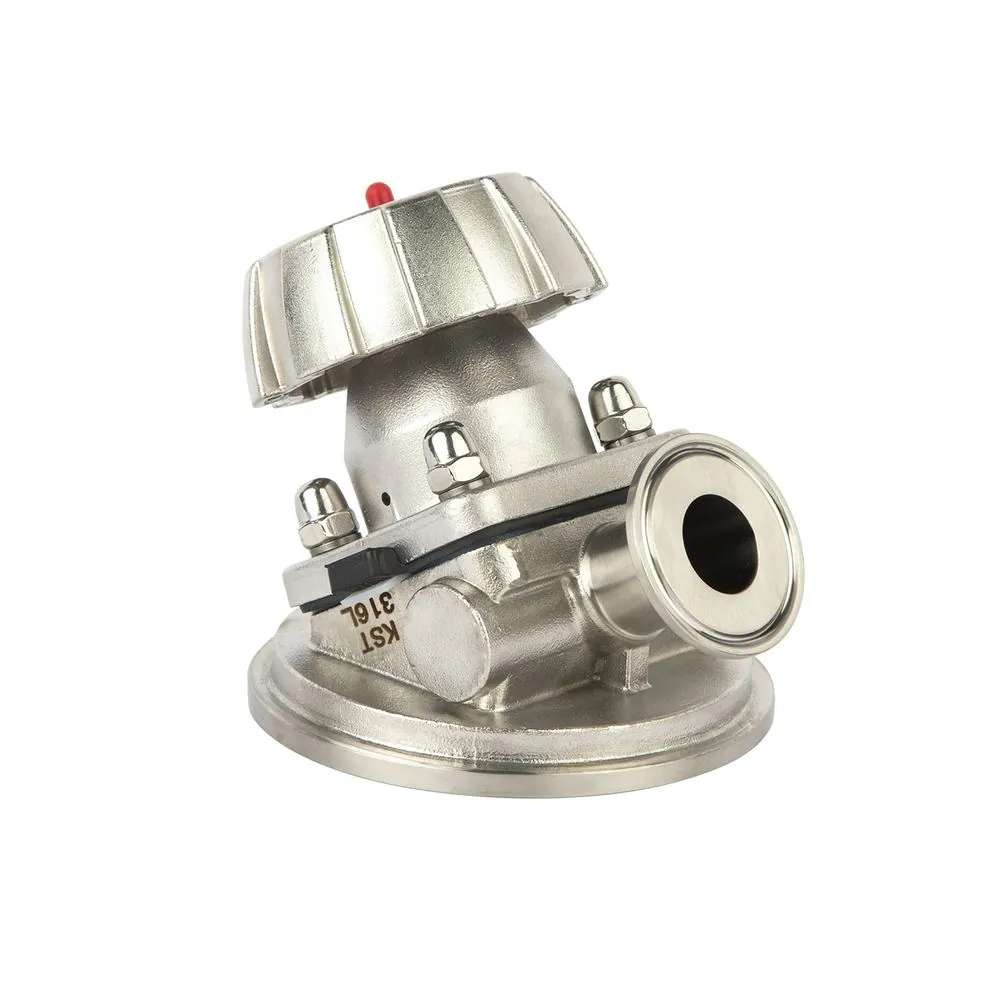 MANUAL SANITARY TANK BOTTOM DIAPHRAGM VALVESanitary Diaphragm ValveView Product
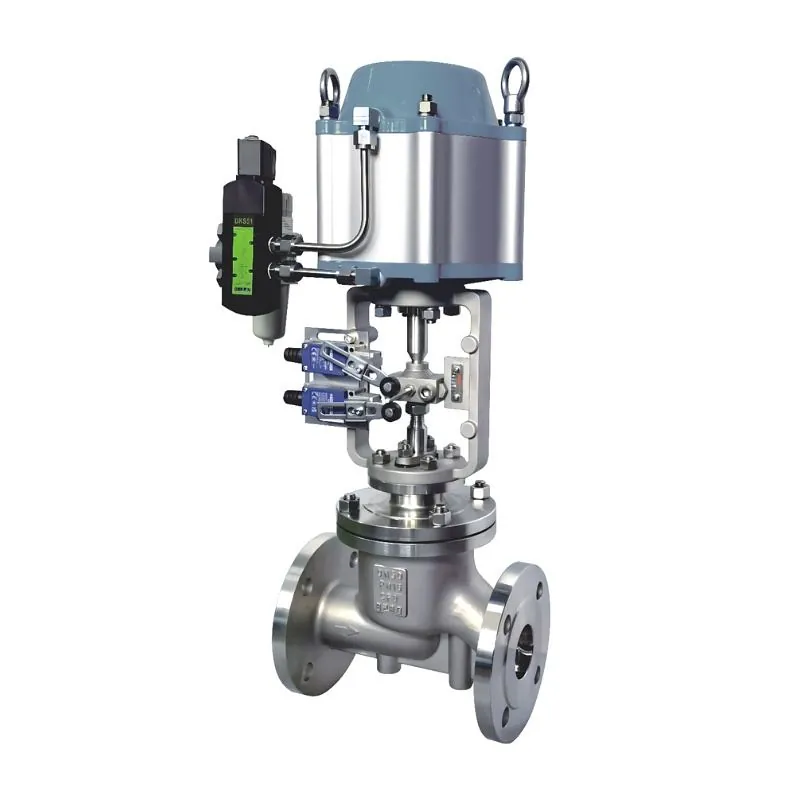 SANITARY ANTIBIOTIC GLOBE VALVESanitary Globe ValveView Product
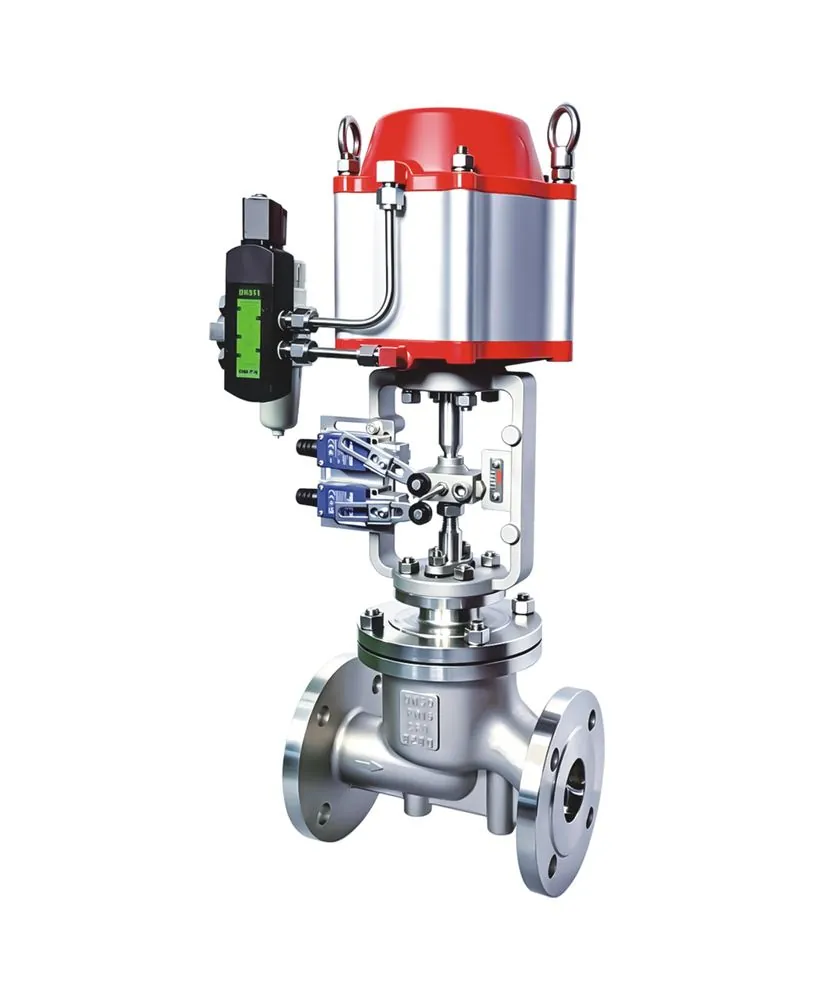 PNEUMATIC ANTIBIOTIC GLOBE VALVE ON-OFF TYPESanitary Globe ValveView Product
 PNEUMATIC ANTIBIOTIC GLOBE VALVE MODULATING TYPESanitary Globe ValveView Product
 KW4000 INTELLIGENT FORGED MICRO-FLOW CONTROL VALVESanitary Globe ValveView Product
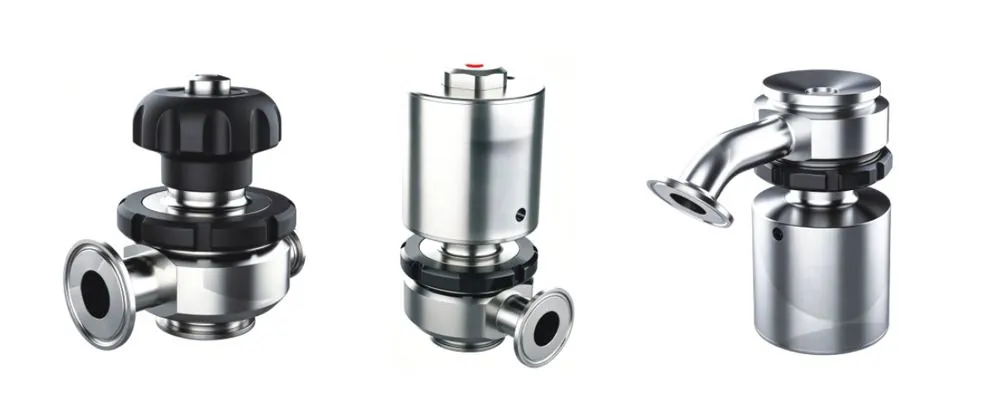 S SERIES ASEPTIC GLOBE VALVESanitary Globe ValveView Product
 S SERIES ASEPTIC FEED VALVESanitary Globe ValveView Product
 SANITARY SAMPLING VALVESanitary Sampling ValveView Product
 SANITARY SIGHT GLASSSanitary Sight GlassView Product
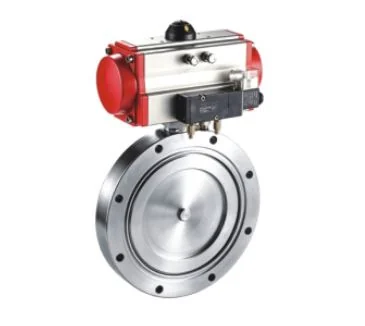 PNEUMATIC VACUUM BUTTERFLY VALVEVacuum ValveView Product
 PNEUMATIC VACUUM BALL VALVEVacuum ValveView Product
FAQ
What makes a valve sanitary?
Smooth internal surfaces (Ra ≤ 0.8μm), no dead legs, crevice-free design, clean-in-place (CIP) capability, and FDA/EHEDG compliant materials.
What connection types are used?
Tri-clamp (most common), weld, bevel seat, I-line, and threaded; tri-clamp allows easy disassembly for inspection and maintenance.
What surface finish is standard?
Standard Ra 0.8μm mechanical polish; electropolished Ra ≤ 0.4μm available for pharmaceutical and high-purity applications.
Can sanitary valves be automated?
Yes, pneumatic actuators with stainless steel housings are standard; position feedback and control modules available for automation.
What certifications are relevant?
FDA 21 CFR Part 177 for materials, 3-A Sanitary Standards, EHEDG certification, and USP Class VI for elastomers in pharmaceutical service.