
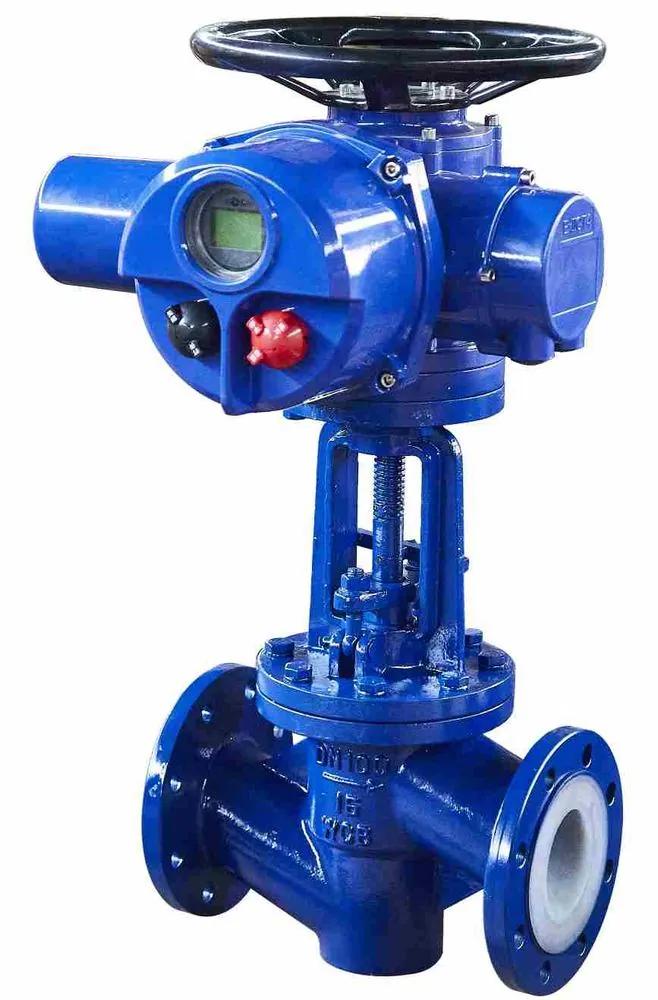
Electric Control Valve
ELECTRIC LINED FLUID CONTROL VALVE
The ELECTRIC LINED FLUID CONTROL VALVE is a precision flow regulation device designed for accurate process control with modulating actuation capabilities.
Product Overview
This control valve provides precise flow regulation for industrial process control applications. Designed with advanced trim technology for accurate modulation, suitable for demanding fluid control requirements in various industries.
Product Features
- Precise flow regulation
- Advanced trim design for accurate control
- Wide rangeability for flexible application
- Reliable performance in demanding conditions
- Suitable for various industrial processes
Technical Specifications (For reference only. The actual parameters need to be verified with us).
| Parameter | Value / Unit |
|---|---|
| Product Type | Electric Fluorine-Lined Control Valve |
| Model / Series | CAU110-F46 (electric lined) |
| Size / Connection | DN15~DN200 (1/2"~8") |
| Pressure Rating | PN16~PN25, Class 150 |
| Process Temperature | -30°C ~ +150°C (PTFE/FEP); -60°C ~ +180°C (PFA) |
| Body Material | WCB + F46 / CF8 + PFA / CF8M + PFA |
| Disc / Plug Material | PTFE/PFA lined stainless steel |
| Stem Material | Stainless steel with PTFE packing |
| Seat Material | PTFE soft seal (Class VI) |
| Connection | Flanged RF (HG/T 20592) |
| Actuation / Operation | Intelligent electric multi-turn actuator, 4~20mA modulating |
| Flow Characteristic | Linear, equal percentage, quick opening (optional) |
| Adjustable Ratio | 50:1 |
| Seat Leakage | Soft seal: ANSI B16.104 Class VI |
| Applicable Media | Strong acid, alkali, corrosive gas, toxic and easily-evaporated fluids |
| Applicable Standards | GB/T 12237, HG/T 3704 |
| Design Standard | GB/T 12237, HG/T 3704 |
| Face-to-Face Standard | IEC 60534 / GB/T 12221 |
| Flange Standard | EN 1092 / ANSI B16.5 |
| Testing Standard | API 598 / EN 12266 |
| Certification | CE, ISO 9001 |
| Protection Class | IP67 |
Related Products
 CGU216 TWO-CHANNEL COMBINATION DIVERSION STRAIGHT CONTROL VALVEView Product
 CAU113 ULTRA-LOW TEMPERATURE PNEUMATIC REGULATING VALVEView Product
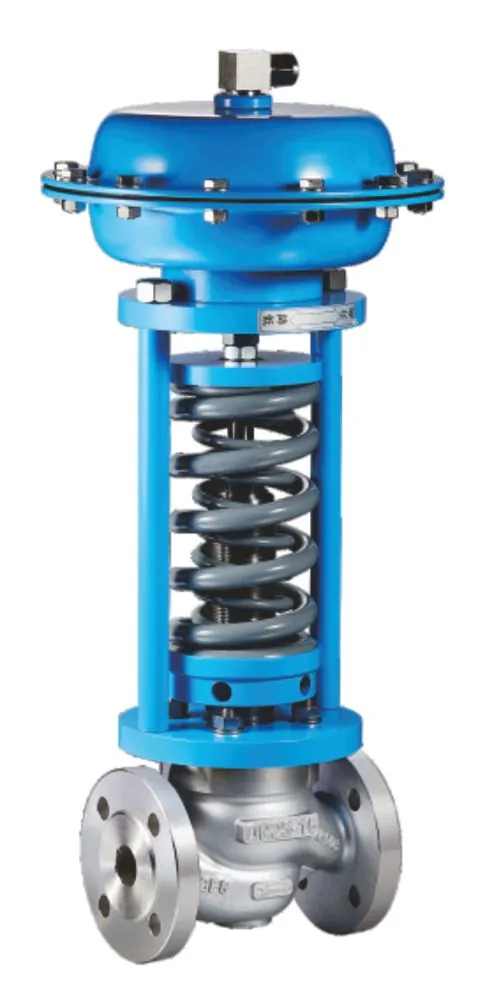 ZZYVP SELF-OPERATED MICRO-PRESSURE REGULATING VALVE COMMANDER TYPEView Product
 ZZVPP FLUORINE-LINED SELF-OPERATED MICRO-PRESSURE REGULATING VALVEView Product
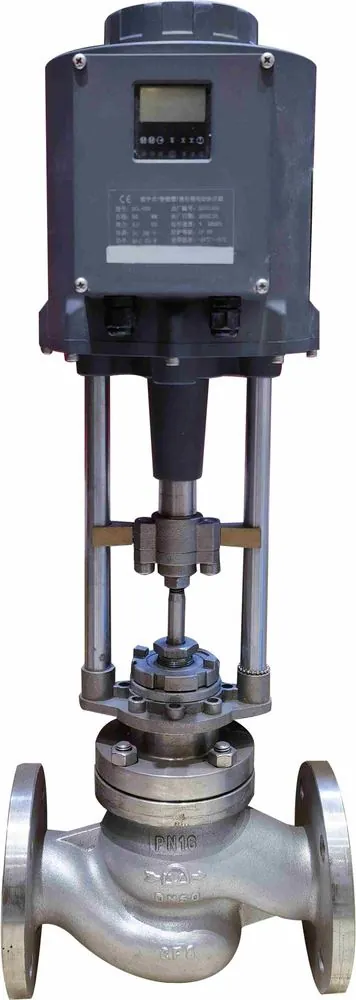 ELECTRONIC SLEEVE CONTROL VALVEElectric Control ValveView Product
 PTFE-LINED ANTI-CORROSION CONTROL VALVE GLCV000Lined Control ValveView Product
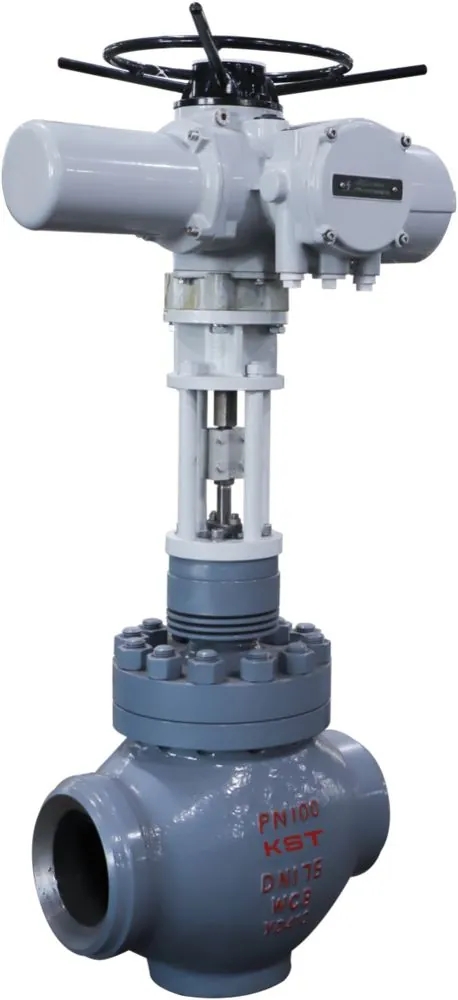 ELECTRIC (MOTORIZED) CONTROL VALVE GECV000Motorized Control ValveView Product
 PNEUMATIC BALANCED CAGE CONTROL VALVEPneumatic Control ValveView Product
 PNEUMATIC BELLOWS SEAL CONTROL VALVEPneumatic Control ValveView Product
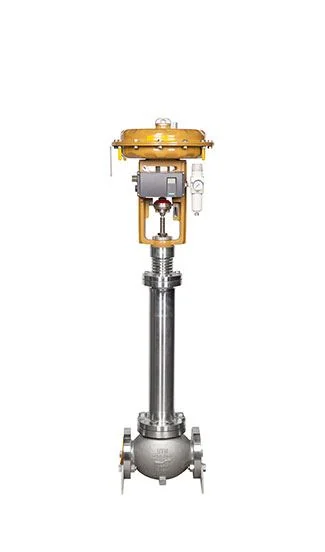 PNEUMATIC CRYOGENIC CONTROL VALVEPneumatic Control ValveView Product
 PNEUMATIC DIAPHRAGM SINGLE SEAT CONTROL VALVEPneumatic Control ValveView Product
 PNEUMATIC DIAPHRAGM SLEEVE CONTROL VALVEPneumatic Control ValveView Product
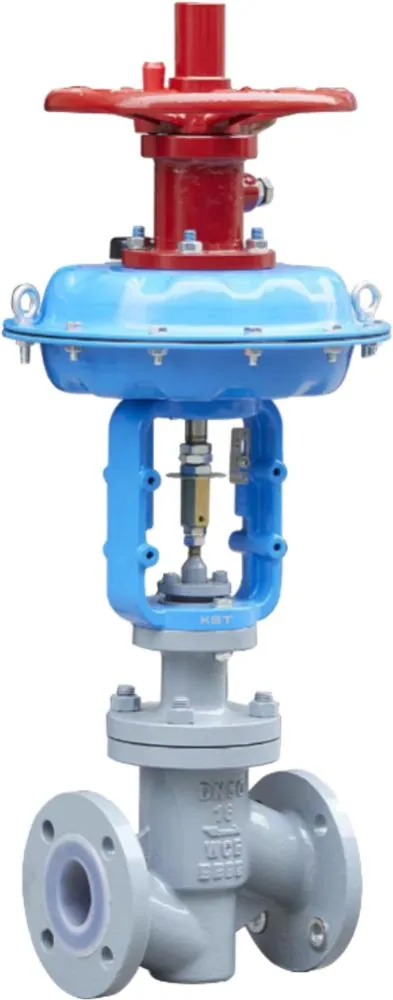 PNEUMATIC FLUORINE-LINED CONTROL VALVEPneumatic Control ValveView Product
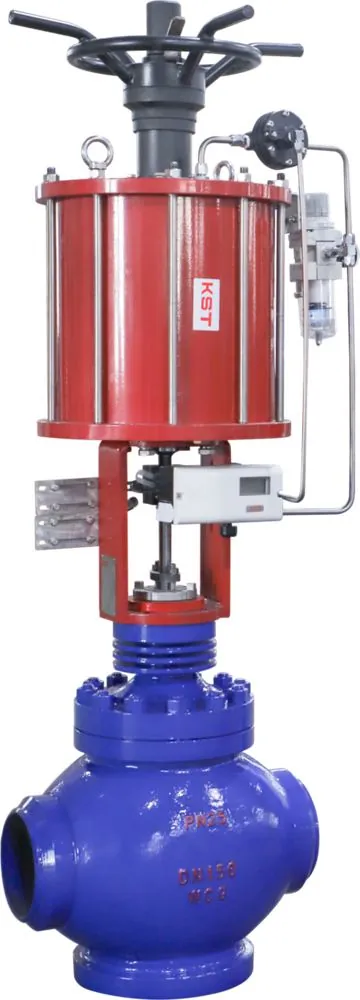 PNEUMATIC SINGLE SEAT CAGE CONTROL VALVEPneumatic Control ValveView Product
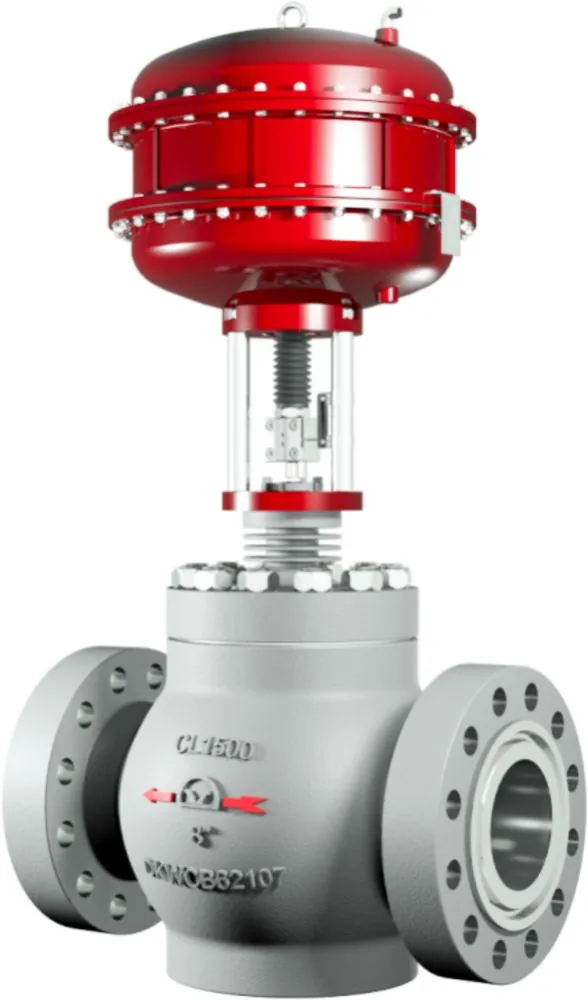 PNEUMATIC DIAPHRAGM CAGE (SLEEVE) CONTROL VALVE GDCV-CPneumatic Diaphragm Control ValveView Product PNEUMATIC DIAPHRAGM SINGLE-SEAT CONTROL VALVE GDCV-SPneumatic Diaphragm Control ValveView Product
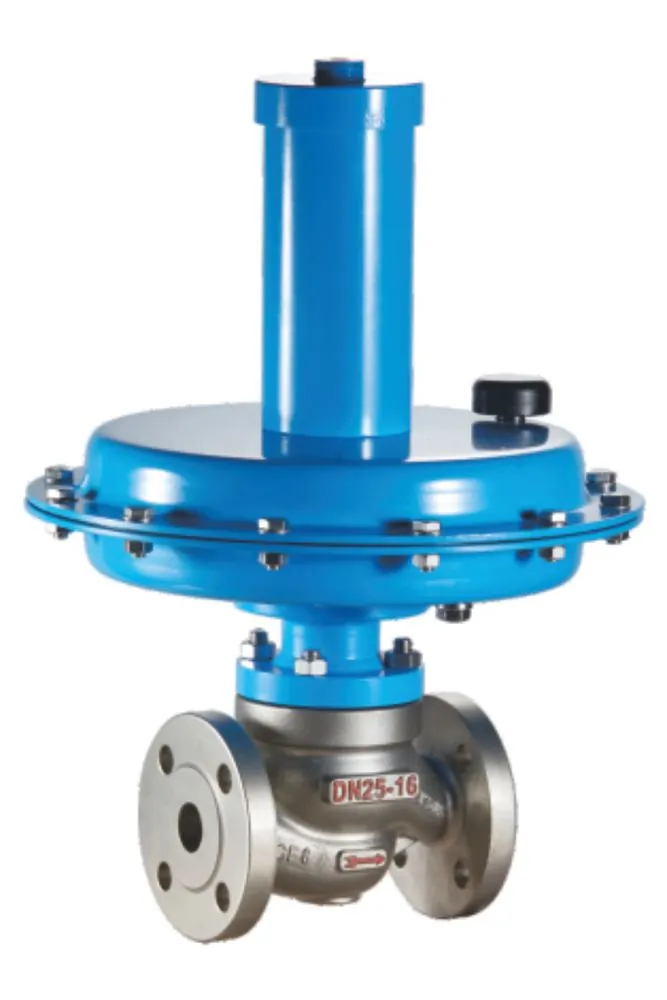 SELF OPERATED MICRO-PRESSURE CONTROL VALVESelf Operated RegulatorView Product SELF OPERATED PRESSURE REGULATING VALVESelf Operated RegulatorView Product
 SELF-OPERATED PRESSURE CONTROL VALVE GSOV000Self-operated Control ValveView Product
FAQ
What is the difference between globe and butterfly control valves?
Globe valves provide precise throttling with wide rangeability; butterfly valves offer lower cost and pressure drop for larger sizes and less critical control.
What flow characteristics are available?
Linear (constant gain), equal percentage (gain increases with travel), and quick-opening (max flow at low travel); selection depends on process requirements.
What is valve rangeability?
The ratio of maximum to minimum controllable flow; globe valves typically 50:1, butterfly valves 20:1, ball valves 100:1 with V-port.
What actuator types are used for control valves?
Pneumatic diaphragm (most common for modulating), pneumatic piston, electric, and electro-hydraulic actuators depending on precision and force requirements.
What is cavitation and how is it prevented?
Cavitation occurs when pressure drops below vapor pressure causing bubble formation and collapse; prevented with multi-stage trims, flashed cages, or proper valve sizing.